Joke Where do bugs listen to music? Spoti-fly Fun Fact They can spit a chemical which can cause temporary blindness as a defense mechanism and their bite is said to be more painful than a bee sting. Spooky Fact Assassin bugs are also known as kissing bugs because they like to bite the lips and…
Search Results for: bug
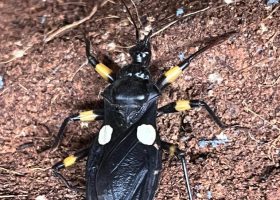
The Two Spotted Assassin Bug Natural History Size The Two Spotted Assassin Bug can grow up to 4cm. Habitat and Distribution They inhabit forests in tropical Africa. They can be found in Kenya, Guinea Senegal, Zambia, Gambia, Mali, Ivory Coast, Nigeria, Niger, Sudan, Somalia, Chad, Uganda, Ethiopia, Tanzania, the Democratic Republic of Congo, Zimbabwe, Togo,…
On the 17th of April each year we celebrate Bat Appreciation Day, so I thought we could go all batty for bats in this week’s blog. What’s the aim of this day? To raise awareness about the vital role these flying mammals play in our ecosystem and playing such an important role in many habitats…
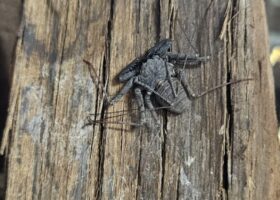
Tailless Whip Scorpion Natural History Size The average size of a tailless whip scorpion ranges between 5 to 65cm. Habitat and Distribution They have a large range spanning hot parts of North and South America as well as Asia and Africa. They often hide under bark or stones. Age They can live between 5-10 years…
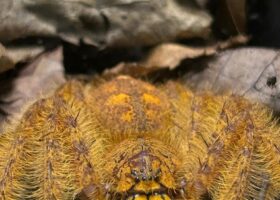
David Bowie Huntsman Spider Natural History Size Males can range from 1.5 to 1.8cm long and females can range from 2.1 to 2.5cm long. Habitat and Distribution This species of huntsman spider is native to Malaysia. They can also be found in Singapore, Sumatra and Southern Thailand. Adults can often be found in trees whereas…
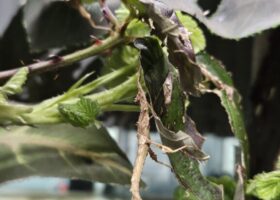
Giant Lime Green Stick Insect Natural History Size Female giant lime green stick insects can grow up to 20cm long whereas, males can grow up to 11cm long. In order to grow larger, they hang upside down and moult by crawling out of the their exoskeleton. Habitat and Distribution They are native to Grenada, an…

Big Headed Asian Ants Natural History Habitat and Distribution These ants are native across mainland Asia ranging from Western India to Japan; they have also been recorded on some Southern islands of Indonesia. They can be found in nests under the soil, under shelters on the ground and also in rotting logs. Groups and Breeding…

Whip Scorpion Natural History Habitat and Distribution Whip scorpions originate from Malaysia and they are a terrestrial invertebrate. Diet They eat other invertebrates including molluscs, millipedes, scorpions and many insects. Interesting Facts Unlike true scorpions, whip scorpions do not have the venomous sting in their tails. Instead, they defend themselves by squirting an acid from…
Earlier this week we celebrated Valentine’s Day. So, I thought this would be the perfect opportunity to share with you some of our bird romances on the section. I think generally birds are seen as being a very romantic group of animals, with many birds forming loyal couples. But in fact, that’s not always the…
As this is my last blog for 2023, I’ve decided to a look back and review all the changes that have happened over the past 11 months, here at Wingham Wildlife Park. We’ve had a year of changes within the park this year and new exhibits opening, including the refurbishment of the Reptile House having…