Earlier this week we celebrated World Parrot Day! An important date in my diary, which takes place annually on the 31st of May. A day to appreciate how amazing these groups of birds are and to reflect on the threats they face in the wild. There are over 400 species of birds in the order…
Search Results for: bug
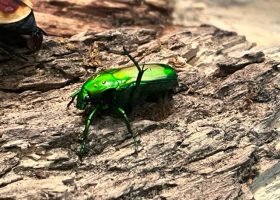
The Flower Beetle Natural History Size The Flower Beetle grows up to 35mm. Habitat and Distribution They inhabit forested areas. Diet As grubs they eat decaying wood and leaves but as adults they prefer fruit. Groups and Breeding After mating, the female will lay her eggs in the ground. Once they hatch the larvae will…
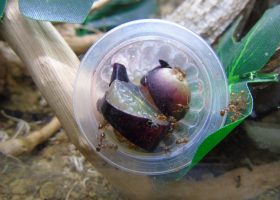
The Common Red Ant Natural History Size These ants grow to between 4-6mm and the queen is no larger than the workers. Habitat and Distribution Woodland and moorland as well as in towns, gardens and farmland. Diet They mostly feed on other insects but will eat some fruit. Groups and Breeding A colony of up…
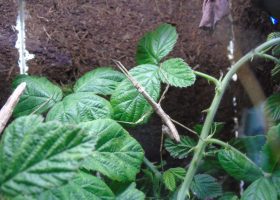
Vietnamese Spiny Stick Insect Natural History Size Male Vietnamese Spiny Stick Insects can grow up to 6cm and females are slightly larger growing up to 8cm. Habitat and Distribution They are found in forests in Vietnam. Diet They feed on leaves. Groups and Breeding Females can produce babies parthenogenically (lay eggs that don’t need fertilising)…
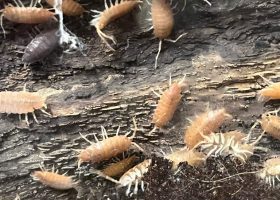
Variable Isopod Natural History Size The variable Isopod can grow up to 15mm. Habitat and Distribution This species inhabits crevices in forests and rocky outcrops. Diet They feed on leaves and decaying wood. Groups and Breeding The female will carry her fertilised eggs (numbering in the several hundreds) in a pouch under her abdomen called…
Learn about forests and their inhabitants at this top Kent education provider. History & Geography Forests worldwide Ecosystems Layers of the forest Deforestation Science Physiology The food chain English Statutory key stage 1 & 2 words PD (H&SC) Human responsibility Teaching outcomes lead to being able to… How to best use our zoo and other exhibits during…

The Israeli Gold Scorpion Natural History Size These scorpions grow to around 7.5cm (3 inches). Habitat and Distribution The Israeli Gold Scorpion inhabits deep burrows in deserts and sparse woodlands across a very large range. They can be found all the way from Northern Africa to the Middle East. Diet They are mostly insectivores, feeding…
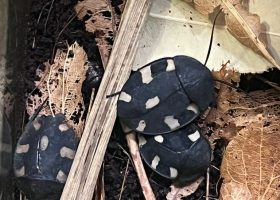
The Indian Domino Cockroach Natural History Size The Indian Domino Cockroach grows to around 3cm. Habitat and Distribution They inhabit scrub forests in India where they burrow under leaves and soil to avoid the heat during the day. Diet These omnivores feed on decaying organic matter (both vegetable and animal based). Groups and Breeding As…
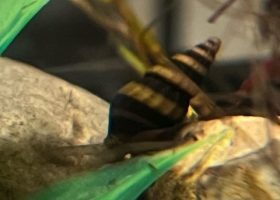
Assassin Snail Natural History Size Assassin Snails can grow up to 35mm. Habitat and Distribution They bury themselves in the substrate of ponds, lakes and streams. Diet These snails are carnivores and will feed on worms and other snails. Age They can live for up to 5 years. Groups and Breeding After mating for several…

The Leaf Cutter Ant Natural History Size Workers are between 3-16mm, soldiers are 23mm and queens are 30mm. Habitat and Distribution Forests and grasslands in Central and South America. Diet They eat a special fungus which they cultivate using leaves that they cut. They can form lines of up to 30 meters in length as…