World Binturong Day takes place this Saturday, its celebrated every year on the second Saturday of May to raise awareness about the conservation of the Binturong. Also known as Bearcats; they play an important role because their key ecological position in Asian rainforests and help maintain healthy forest ecosystems.
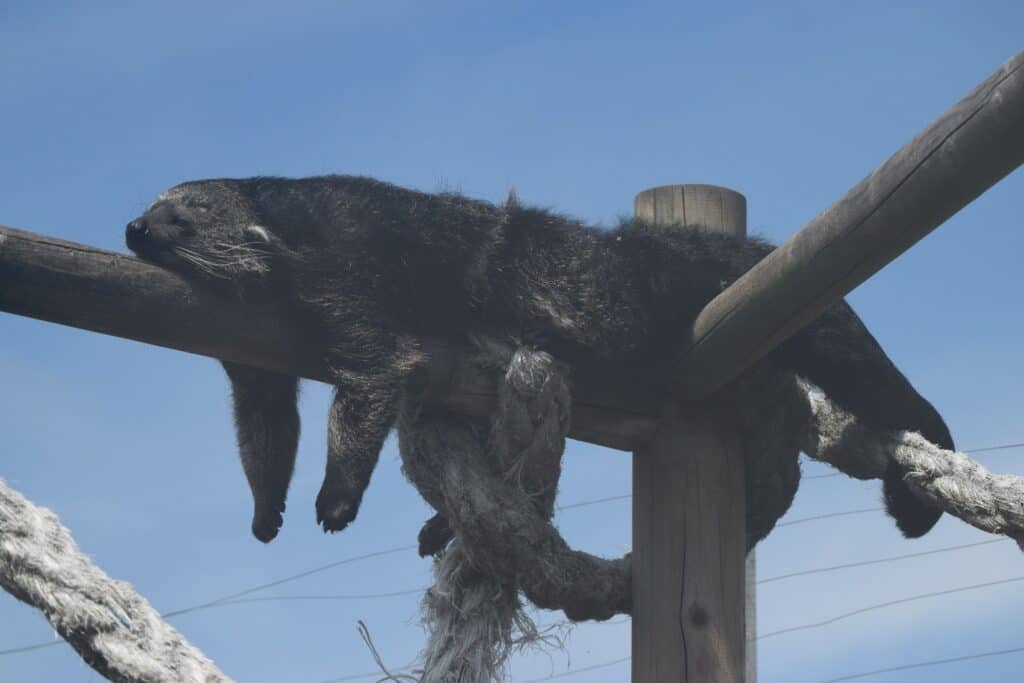
Seed dispersers for rainforest trees;
Binturongs eat lots of fruit. After digesting the fruit, they spread seeds through their droppings across large areas of forest, this helps regenerate rainforest plants and maintain biodiversity. Some tree species may rely heavily on animals like binturongs to spread their seeds effectively.
Health of the Rainforest;
They move through the forest canopy and interact with many plant species, binturongs help forests recover naturally after disturbance. Healthy forests store carbon, regulate water systems and support thousands of other species.
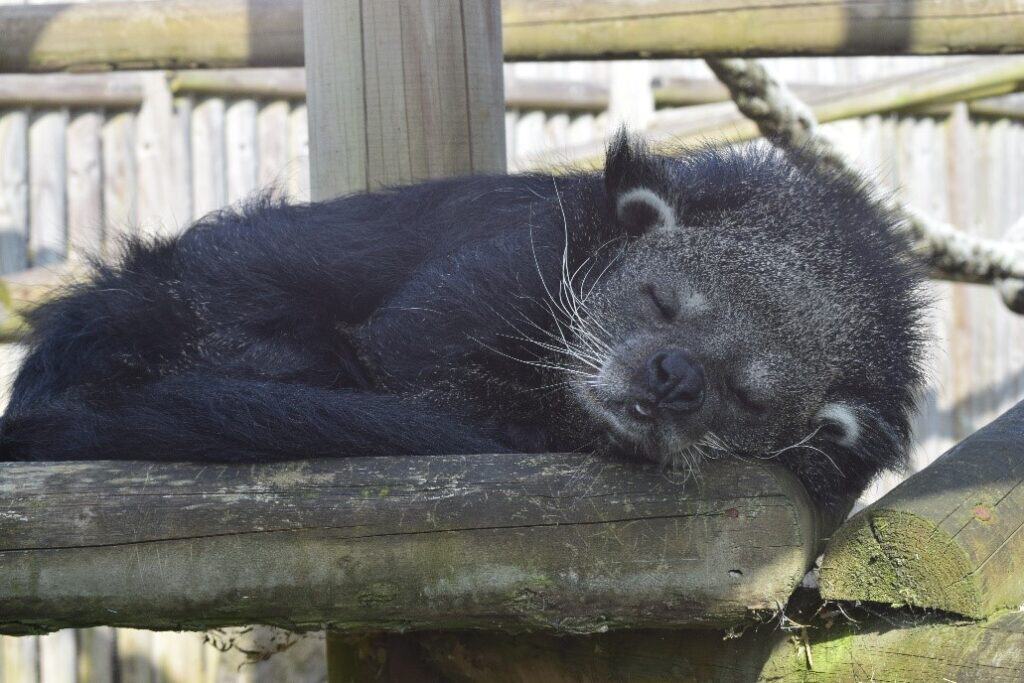
Indicator species;
Binturongs need large, connected forests to survive. If their populations decline it will often signal broader rainforest problems such as deforestation, habitat fragmentation and illegal wildlife trade. Helping protect binturongs usually helps protect many other rainforest animals too. They are one of the few mammals with a fully prehensile tail and are evolutionarily unusual. Losing them would mean losing a distinctive part of rainforest biodiversity.
They help conservation awareness;
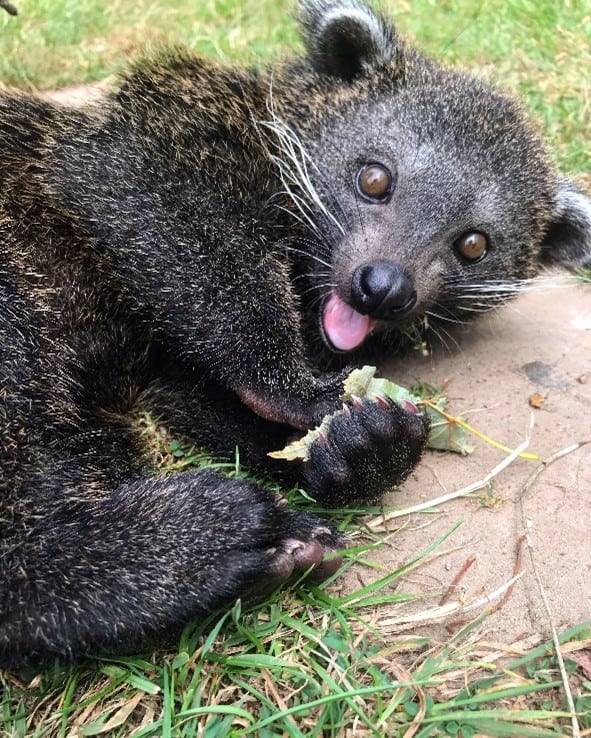
They are charismatic and unusual looking. Binturongs are often used by conservation groups and zoos to educate people about rainforest protection and wildlife trafficking. Unfortunately, they are threatened by habitat loss from logging and palm oil expansion, hunting and the exotic pet trade. Currently listed as vulnerable by the IUCN, Binturongs are an elusive and poorly known carnivore especially in a captive setting. Zoological institutions play a greater role in awareness of biodiversity and are increasingly involved in conservation initiatives.
It’s a privilege to celebrate World Binturong Day and to be a member of Binturong EEP species committee. I’ve been working with them since we’ve had them at WWP, which has made me quite fond of them. We have successfully bred Binturongs here and contribute towards the EEP which has also been very rewarding. Next time you visit the park please make sure you visit Papa our male Binturong, he shares his enclosure with the Asian short clawed otters Jill and Storm.
On a side note to Binturongs; what a milestone for David Attenborough we celebrated on Friday, 100 years of inspiring curiosity about life on Earth. Across generations, his voice and storytelling transformed nature documentaries from niche television into global cultural events. From Life on Earth to Planet Earth and Blue Planet, Attenborough helped millions see the natural world with wonder, urgency and respect. I have had the honour of meeting Sir David Attenborough in person at the book signing in Waterstones Tunbridge Wells, something very few people get to experience.
In my opinion he has brought extraordinary wildlife behaviour footage with groundbreaking filmmaking. He became one of the strongest public voices for biodiversity and climate awareness. His narration style is unique and instantly recognizable. Even into his late 90s, he continued releasing major documentaries and advocating for conservation. “No one will protect what they don’t care about; and no one will care about what they have never experienced.”
One of his most quoted ideas still resonates strongly today. Happy 100th birthday to a broadcaster, educator, and natural historian whose work changed how humanity sees the planet.
Happy World Binturong Day!