So, You Want to be a Zookeeper? I remember being fascinated by the natural world as a young girl, after watching David Attenborough, Steve Backshall, the Irwins, and Nigel Marvin immersing themselves in the wonders of nature and our planet. My parents further fuelled my fascination by taking me to many zoological facilities, reserves and wildlife parks around the world. I absolutely fell in love with the idea of working with animals and knew early on that my mission was to help conserve wildlife and dedicate my life to caring for endangered species. For most keepers, the story is similar – the familiar faces of our much-beloved wildlife programs and visiting zoos and aquariums, that inspired us to pursue this career in zookeeping.
Some of you are probably reading this wondering ‘how do I do the same? I too want to be a zookeeper and/or care for wildlife’. Well, I’ve got you covered. In today’s blog, I want to share 5 key things everyone should know if they want to follow this pathway of working with animals and prepare you for a greater chance of landing your dream role as a zookeeper. Some of them may surprise you and are also things I wish I was told sooner as someone who’s always known this is the career I desired.
1) Volunteering
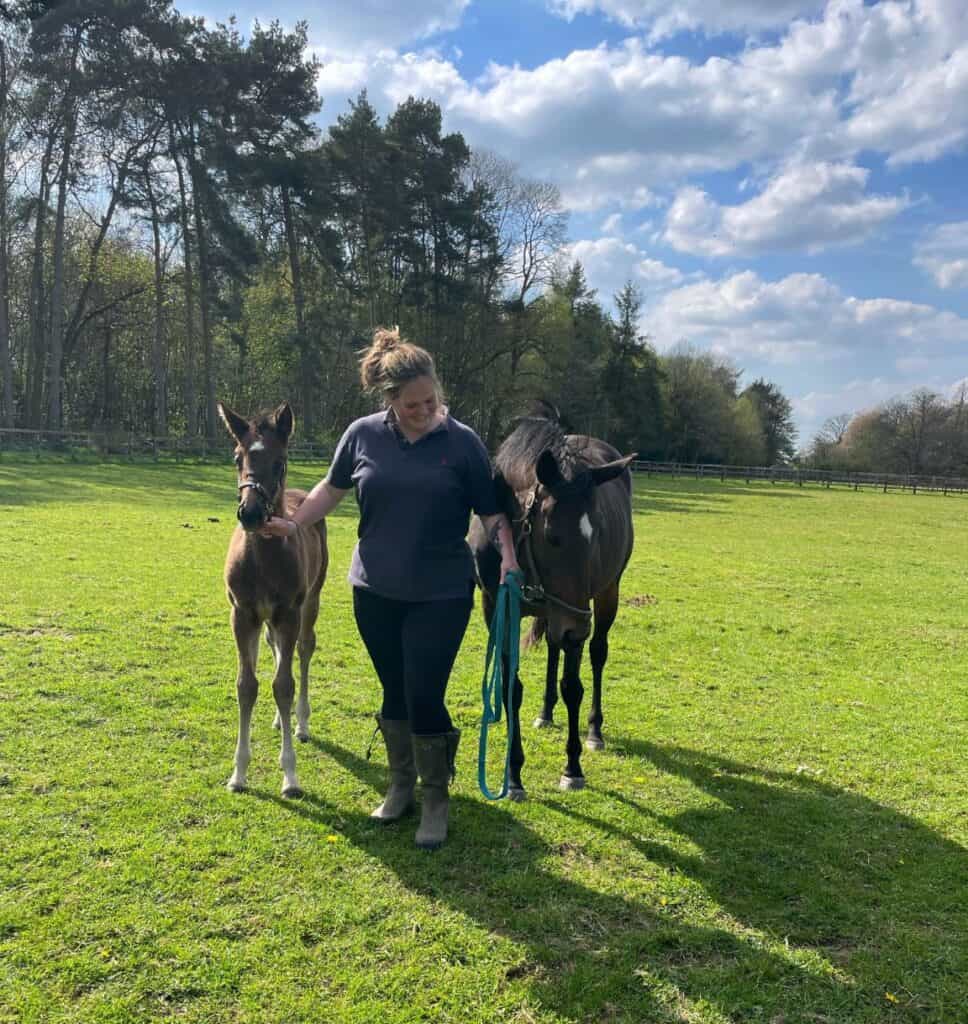
Volunteering is a very important way of gaining valuable practical experience and knowledge of animal care and up-to-date practices, that many facilities desire when looking for new hires. It helps shape future keepers by allowing you to develop key skills needed for zookeeping, such as husbandry care, animal training, enclosure maintenance, and health monitoring etc. Volunteering also shows determination and commitment in an individual, as you’re proving your willingness to learn skills within the field.
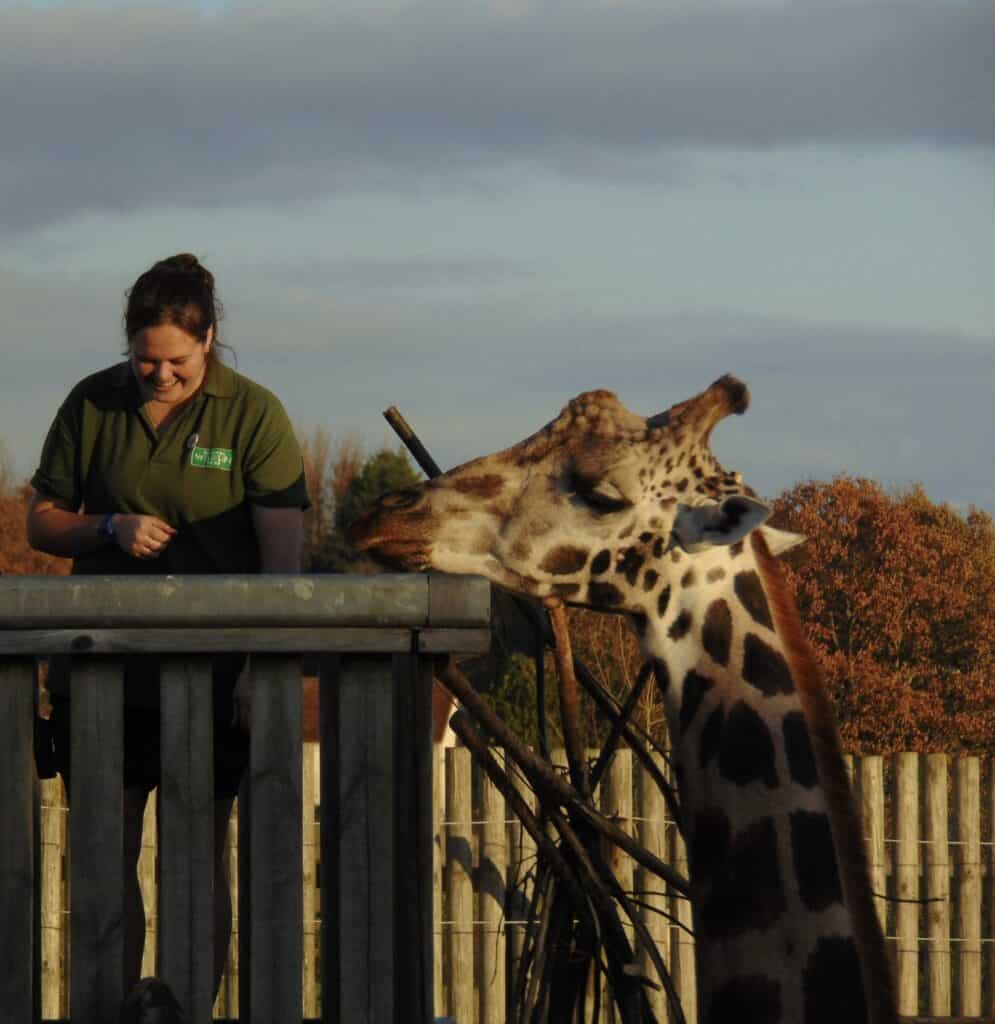
Volunteering doesn’t necessarily have to be at a zoological facility either! Before I gained my first volunteering positions within zoos and aquariums, I gained most of my animal experience with horses at stables, studs and livery yards. Working around large animals, like horses, was an amazing way for me to gain transferable skills needed for looking after exotic species of all sizes. Fun facts, looking after our giraffes on the Mammal Section is very similar to the daily routines of many stables… just on a much larger (or should I say ‘taller’) scale!
2) Public Speaking
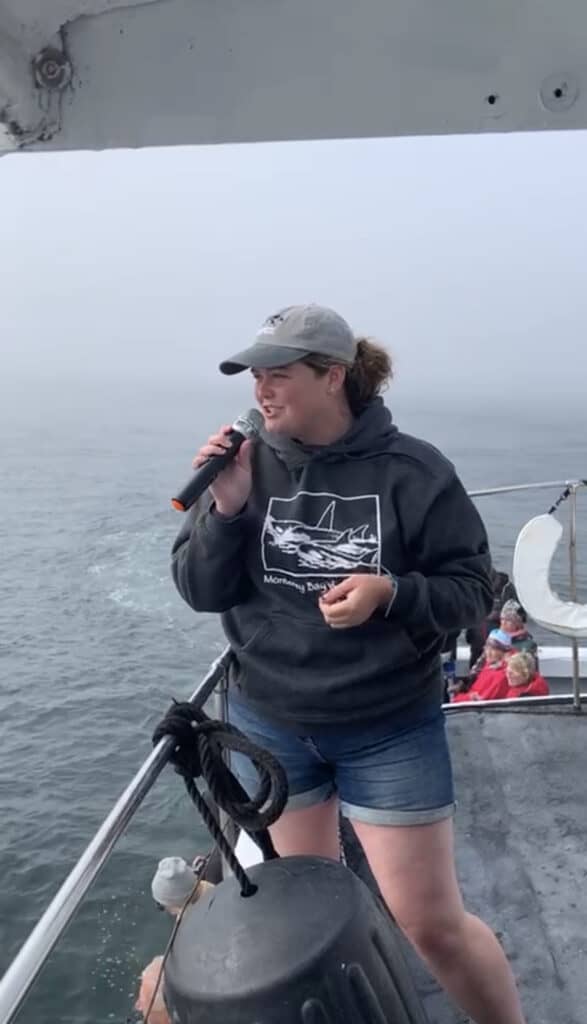
Zookeeping is a public-facing role. As keepers, we play an essential part in the world of conservation, and it’s our job to help educate and inspire the public to understand, respect and aid in wildlife conservation too. We do this through animal talks, demonstrations, experiences and answering questions from guests throughout the day. Our story-telling helps to build deeper and more meaningful relationships with nature, that truly connects people to wildlife conservation.
Therefore, public speaking is a very important skill to develop before starting out in your future zookeeping role, so any experience you can gain is always handy to help with the nerves of standing up in front of large audiences and delivering information about your animals. I personally found involving myself in theatre and doing voluntary public speaking at events about animals, including at schools and colleges, a great way for me to become comfortable talking in front of people. You could even try giving small animal talks in front of friends and family to build up your own confidence!
3) Education
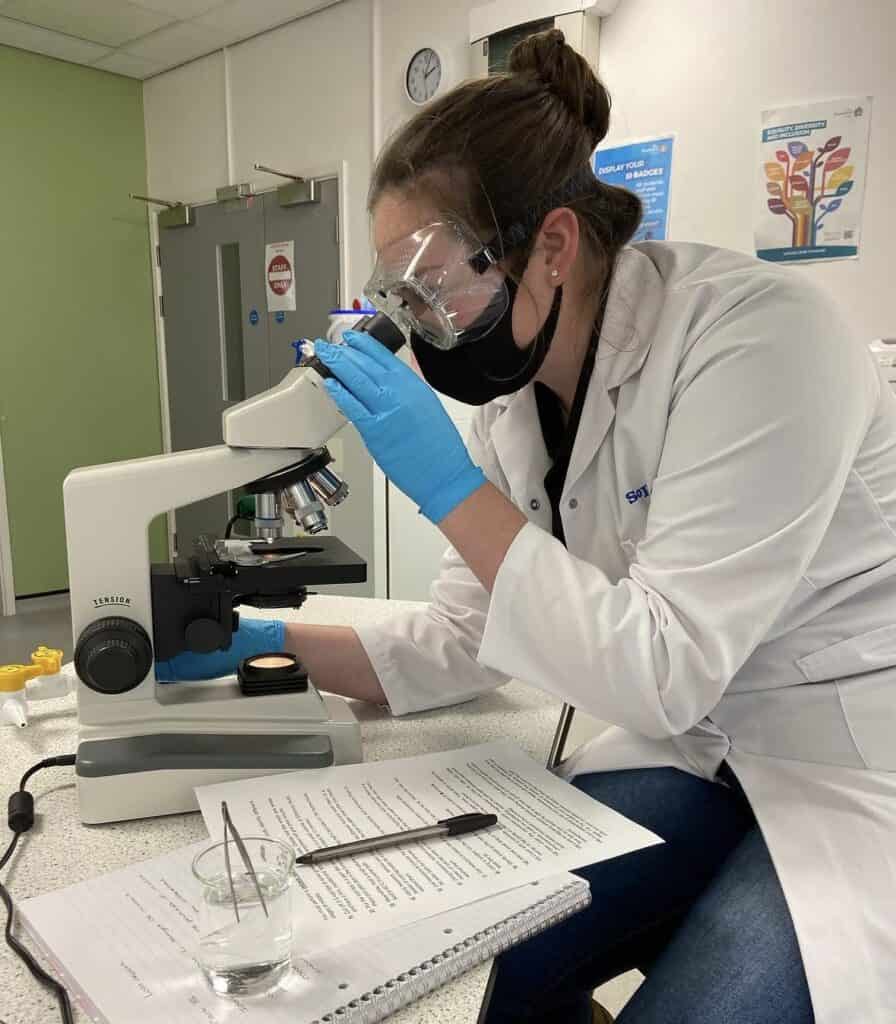
Gaining qualifications can be an aid to becoming a zookeeper but education doesn’t stop once you’ve got the position. You don’t need four degrees, a masters and PhD in animal care to get in, there are countless qualifications and educational resources you can complete that will help develop your knowledge on all things related to animal care. Gaining your Level 3 in Animal Management, or a DMZAA, is a fantastic way to gain both knowledge in animal husbandry, welfare, health and behaviour, through both theory and practical work.
As keepers we are constantly learning. Animal-care practices, welfare science and conservation knowledge continue to develop, so education doesn’t stop once someone gets the job.
4) Non-animal Experience
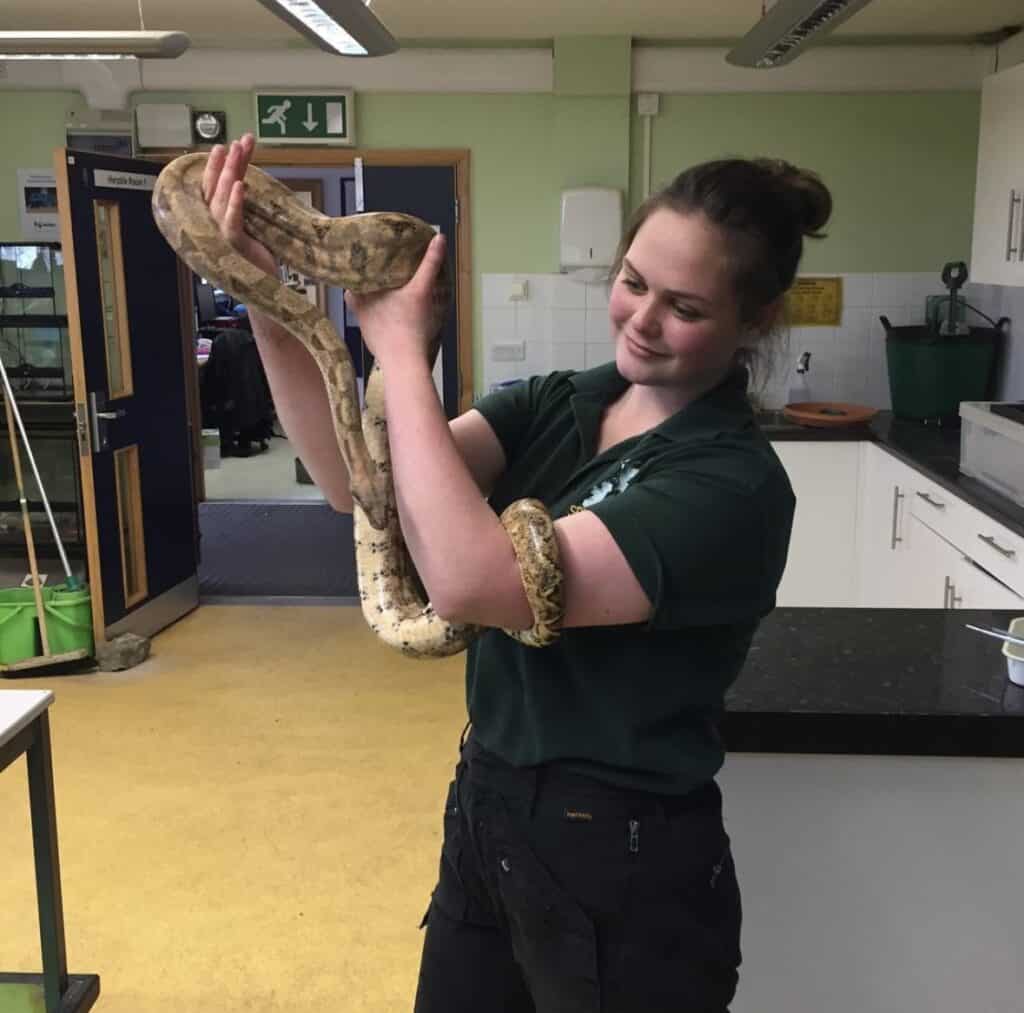
This is sometimes overlooked, but working in industries such as hospitality and retail, is highly transferable to zookeeping. These industries can teach you key skills such as customer service, communication, conflict resolution, teamwork, working under pressure, time management and following procedures. You’ll learn to work alongside different people in fast-paced environments, that allow you to understand how to deal with unexpected and sometimes difficult situations, while remaining professional and reliable.
Many of us current keepers have worked in shops, bars and restaurants and hotels etc to gain these skills before working with animals and I couldn’t recommend the experience enough. It may not seem glamorous or even related to being a zookeeper but it helped us gain very valuable skills for our jobs.
5) Networking
Zookeeping is a relatively small and competitive sector, so developing professional relationships can be extremely useful; helping build references and professional contacts. Through volunteering, talking to people who work within zoological facilities and even connecting through social media, you can meet experienced keepers and learn about their career paths and potentially find volunteering or work-experience opportunities in the field. You can gain advice about qualifications and career progression and develop connections with facilities within the community that allow you to learn from people already working in the industry.
We have all started somewhere and many keepers are always happy to share their experiences and meet new, passionate people who too want to work towards caring for and saving wildlife.
Conclusion
As you can see, being a zookeeper is much broader than simply knowing about animals. Modern zoo work combines animal care, science, communication, public engagement, teamwork, practical skills, education and professional judgement. The most important thing is that these experiences complement one another.
Together, these skills create a much stronger candidate that demonstrates all the key components of a strong zookeeper. A good way to think about it is: zookeeping isn’t just “working with animals.” It’s working with animals and people, while applying knowledge, practical skills, communication, teamwork and professional judgement every day. With enough hard work, determination, and passion anyone can succeed at becoming a zookeeper! It’s one of the most rewarding jobs in the world and I couldn’t recommend it enough for anyone who wants to work closely with animals and fight for wildlife conservation!
By Sophie, Mammals Keeper

No Comments
Be the first to start a conversation