Turning your garden in to a refuge for wildlife can be small and simple or you can go big and elaborate. Any little change you can make in your garden can make a big difference for wildlife in your area. We are in the process of setting up a big new exhibit here which will…
Search Results for: bug
We know that the nicest day at the wildlife park can be when the sun is shining, it’s not too hot and it’s dry, however you don’t need to miss out on a fun day out for all the family just because there’s some water dropping from the sky! Here’s how to make the most…
We have worked hard over the past few years to make a concerted effort towards doing more for conservation, both within our park and for the global animal and wildlife communities. If you would like to read our full conservation policy it is available here. However, this page is designed to summarise that work and…
Zoos are an invaluable source of data for researchers with the results of zoo research having positive implications for improving captive husbandry, breeding of endangered species, knowledge of the habits of difficult to study in the wild species and our understanding of the natural history and biology of the species we keep. If you are…
Since 2008 we have been one of Kent’s most popular destinations for school visits and since that time we have listened to your input to improve our facilities and services to make this one of the best educational supplements to your classroom learning. Please take a look through these pages to see what we are…
When you visit our zoo or any other place that houses animals it’s important not feed them your own food. Many zoos will have specialised food that you can purchase to give to certain animals whilst there. This food is regulated and is appropriate for those animals which you are allowed to give it to….
Teaching children about wildlife can be bit of a challenge nowadays and when you live in a busy town or don’t have any local parks, it is even harder. As advocates for everything wildlife we believe in the importance of children getting involved and hands on with the wildlife where they live as early as…
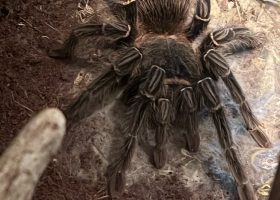
Brazilian Salmon Pink Bird Eating Tarantula Natural History Size These large tarantulas have a leg span of up to 25 cm. Habitat and Distribution They live in the tropical rainforests of Eastern Brazil and are a terrestrial species which burrows on the forest floor. Age These spiders can live for 12-15 years. Diet The majority…
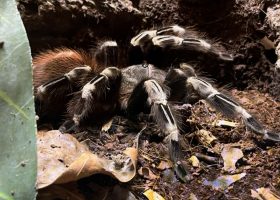
Brazilian White Knee Tarantula Natural History Size The Brazilian White Knee Tarantula has a leg span of 8.5 inches (22 cm). Habitat and Distribution This tarantula is a terrestrial species which is indigenous to the rainforests of northern Brazil. Age The lifespan of a female can be up to around 20 years while males have a…
* This access statement does not contain personal opinions as to our suitability for those with access needs, but aims to accurately describe the facilities and services that we offer all our guests/visitors. Access Statement for Wingham Wildlife Park Wingham Wildlife Park is situated just outside the Kent village of Wingham. Whilst the park is…