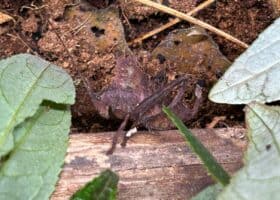
New Bugs at Wingham Wildlife Park Today I’m going to introduce you to the new bugs at Wingham Wildlife Park to our invertebrate house! And more importantly, how to spot them on your next visit! French Guiana Dead Leaf Katydid Typophyllum trapeziform The fist of our new arrivals is the French Guiana dead leaf katydid! If…
Read More

The Sow Bug Natural History Size These beetles can grow up to 6 – 19mm. Habitat and Distribution They come from Europe and spreading to North America, Africa, Australia, and Asia. Sow bugs are terrestrial crustaceans that require high-moisture, dark, and sheltered habitats to survive, often found under mulch, leaf litter, rocks, logs, or in…
Read More
A little while ago I introduced you to some of the coolest arachnids that live in the bug room. Today we are looking at some of the other brilliant bugs that also live there! Don’t worry, there are no spiders in the blog this week! Now, in no particular order: Balthazar Do you like the…
Read More
Hi everyone, I’m Beth the Deputy Head of Reptiles and Invertebrates here at Wingham Wildlife Park! I thought there would be no better way to start my first blog here than to introduce you to some of my favourite invertebrates living here at Wingham on my bug list. Part 1: Arachnids Warning! If you fear…
Read More
Joke Where do bugs listen to music? Spoti-fly Fun Fact They can spit a chemical which can cause temporary blindness as a defense mechanism and their bite is said to be more painful than a bee sting. Spooky Fact Assassin bugs are also known as kissing bugs because they like to bite the lips and…
Read More
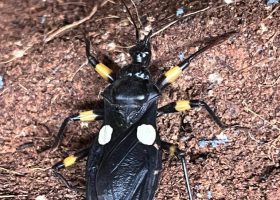
The Two Spotted Assassin Bug Natural History Size The Two Spotted Assassin Bug can grow up to 4cm. Habitat and Distribution They inhabit forests in tropical Africa. They can be found in Kenya, Guinea Senegal, Zambia, Gambia, Mali, Ivory Coast, Nigeria, Niger, Sudan, Somalia, Chad, Uganda, Ethiopia, Tanzania, the Democratic Republic of Congo, Zimbabwe, Togo,…
Read More
Hello and welcome back to the turtle files! I know you have all been eagerly awaiting the next episode and here it is! This week we will be looking at one of our newer species of turtles in the reptile house, the African helmeted turtle (Pelomedusa subrufa). This species of turtle goes by many common…
Read More
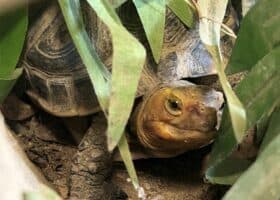
This episode of the turtle files has us investigating one of smaller species of turtle that lives in the Reptile House, the yellow-margined box turtle (Cuora flavomarginata). These turtles are classified as endangered on the IUCN Red List due to habitat loss from agricultural expansions, the illegal pet trade and hunting for traditional medicines. They…
Read More
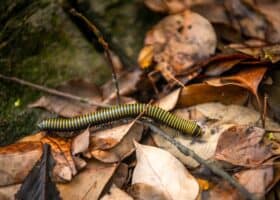
Bumble Bee Millipede Size They typically grow to an adult length of 2 to 3 inches (approx. 5 to 7.5 cm). Some exceptional individuals may reach up to 4 inches (10 cm). Habitat and Distribution This species is native to the Caribbean and parts of Central America, particularly thriving in the Lesser Antilles, Jamaica, Puerto…
Read More
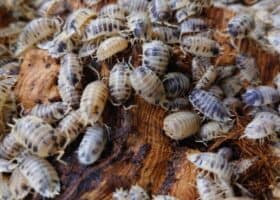
For this week’s reptile and invert blog, I thought I would rate a selection of our animals here at Wingham Wildlife Park on their helpfulness when it comes to us cleaning and working on enclosures. And we are just going to get stuck straight in. Isopods Our isopods (woodlice) are the ultimate cleaners. They eat…
Read More