When people think about feeding zoo animals, they often picture bowls of fruit, piles of vegetables, chunks of meat or a specialized pellet. But one of the most valuable things many animals receive each day is browse. You might have seen lots of browse around the park and not even realised that it’s an important part of their diet. So, what is it? Browse is the term used for leafy branches, twigs, bark, flowers, and shoots from trees and shrubs that animals can eat or interact with. It closely resembles the natural vegetation many species would encounter in the wild and provides a high-fibre diet.
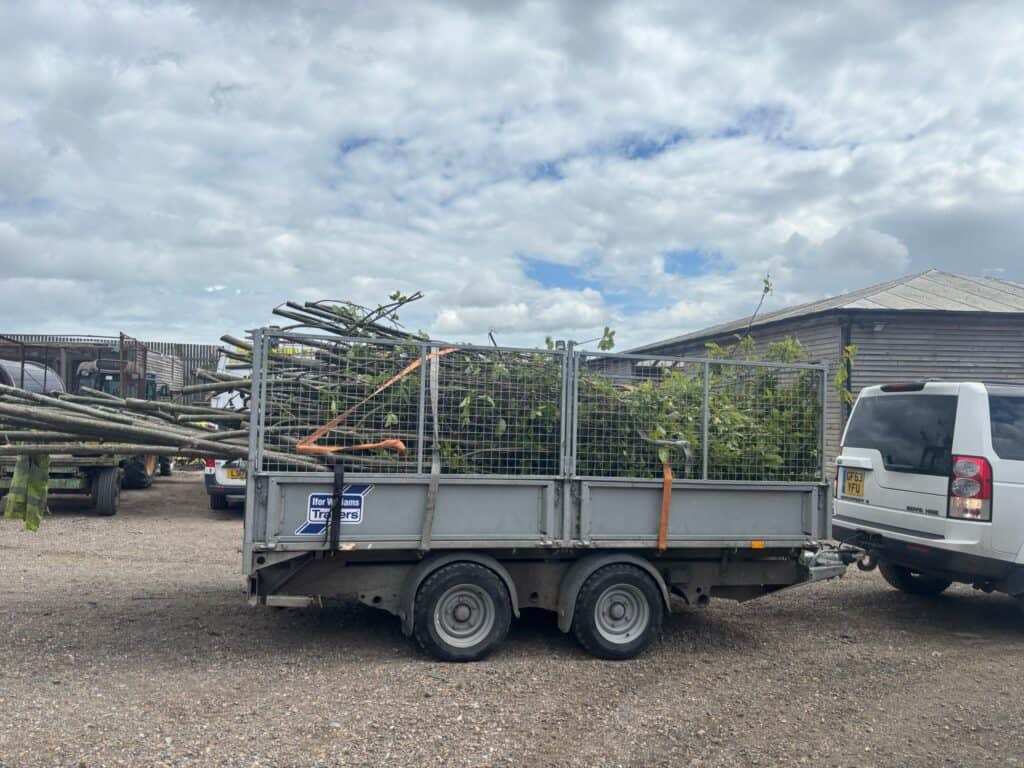
Last year, Wingham Wildlife Park purchased a large amount of woodland which enables us to cut down as much browse as we need but doing it sustainably and its also not too far away. Three times a week, our maintenance team fill up a large trailer full of leafy browse which we then sort and store in water tanks to preserve them over a couple days.
Now being on the mammal team means handing out browse is a key component of our everyday routine. We have a large list of species that require some daily browse. Before any browse is given to the animals, it’s carefully selected by the team to ensure it’s safe and suitable for each species. Not all plants are animal safe, so knowledge and preparation are incredibly important.
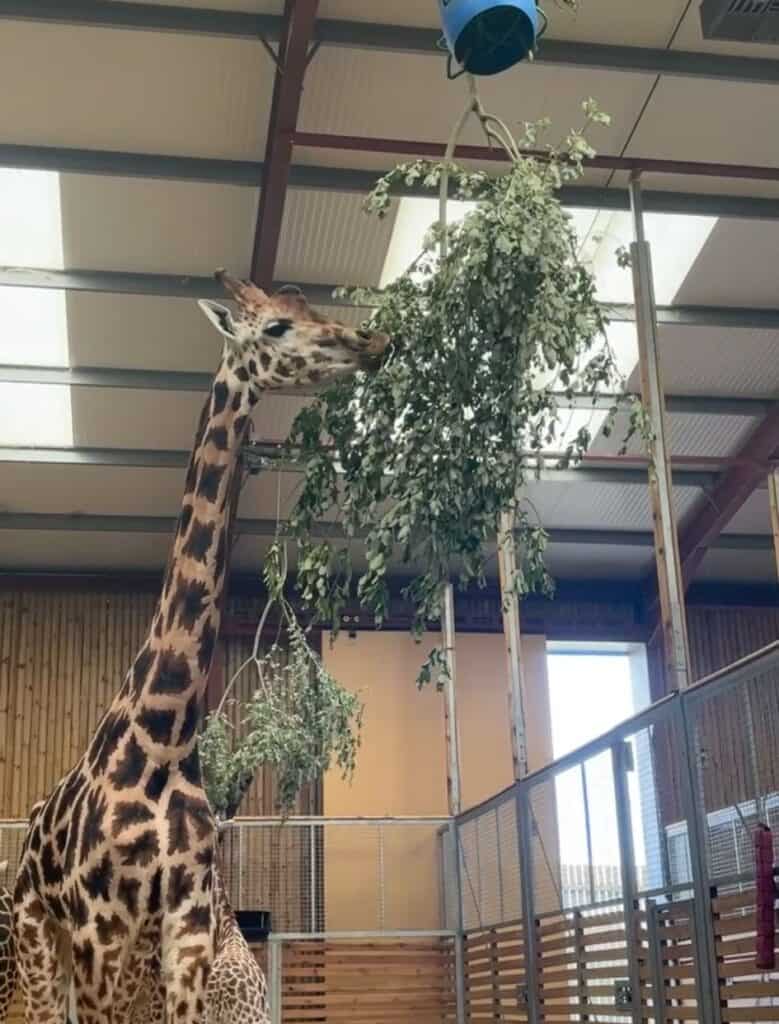
Firstly, as you might have already guessed, our giraffes require a substantial amount of browse. In the wild they would primarily eat browse for 20 hours a day, so we like to recreate that as best as possible. If the giraffes particularly enjoy the type of browse given to them, they will even strip the bark off, such as sweet chestnut. They will use their strong teeth to peel the bark back and then chew it down, this will provide them with extra minerals and fibre. You can even see in the picture a before and after image of the browse once the giraffes have eaten it.
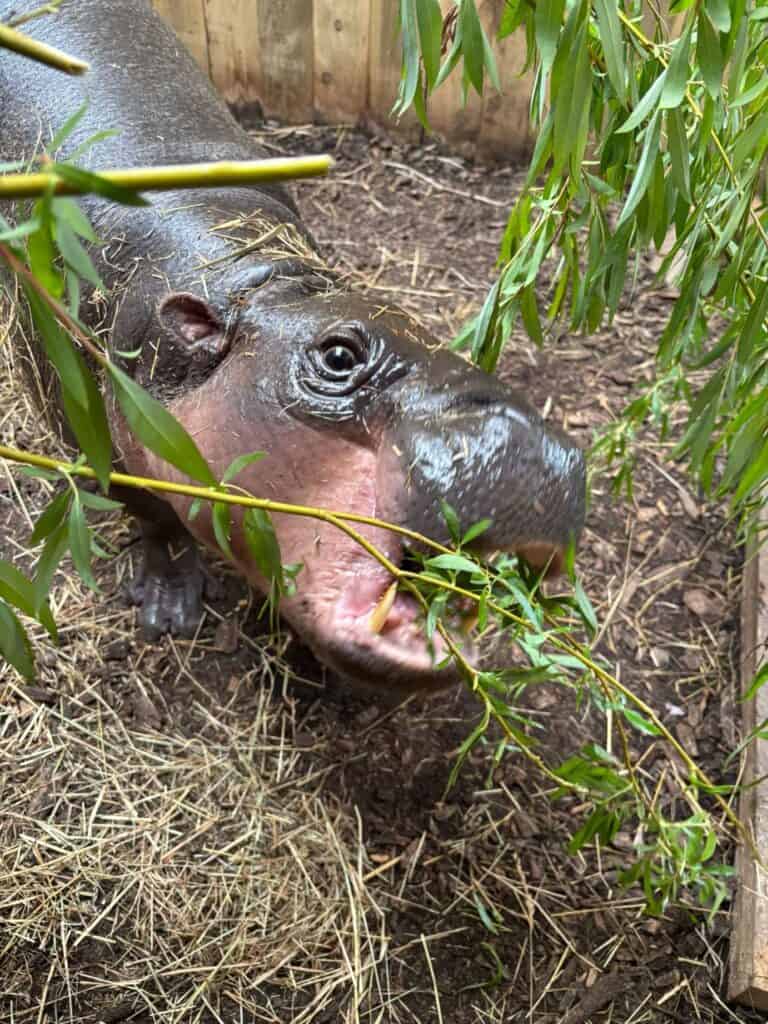
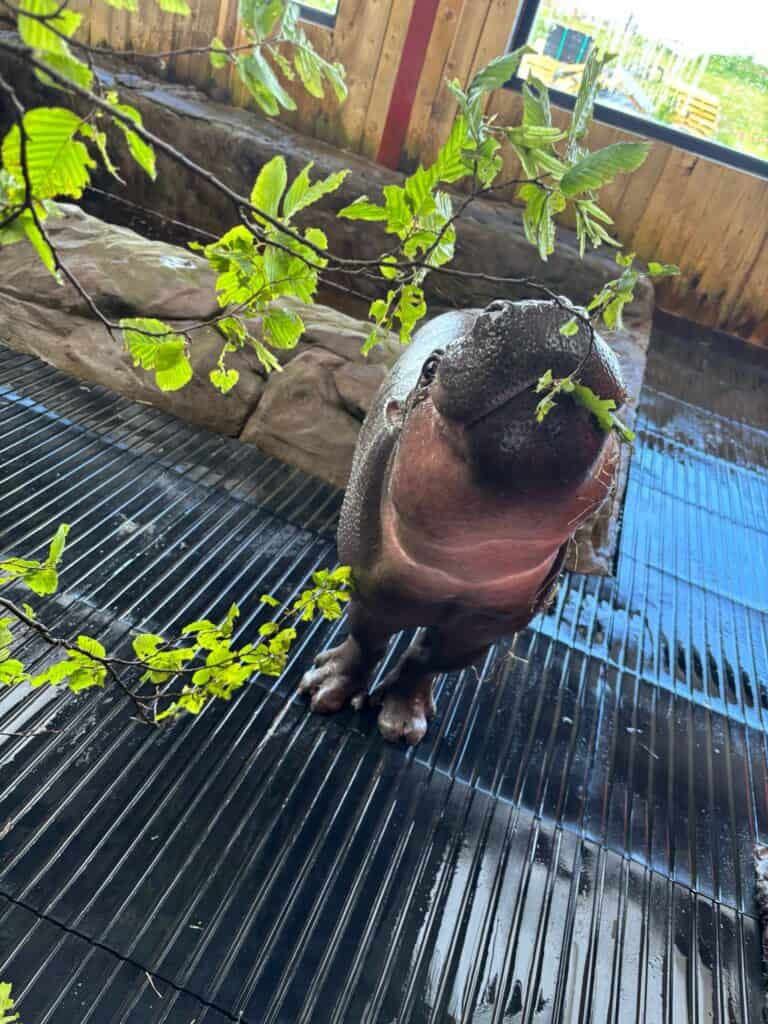
Our newest browsing species here at the park is the pygmy hippo, Haggis. Now pygmy hippos are native to dense forest areas in West Africa and typically spends 6 hours a day foraging around for food. This will consist of leafy matter, aquatic plants and occasionally grass. It is very important that we provide her with the correct nutrition for her species and therefore we have tried a variety of different browse to see what she likes. So far, her favourites seem to be willow, buddleia and sweet chestnut.
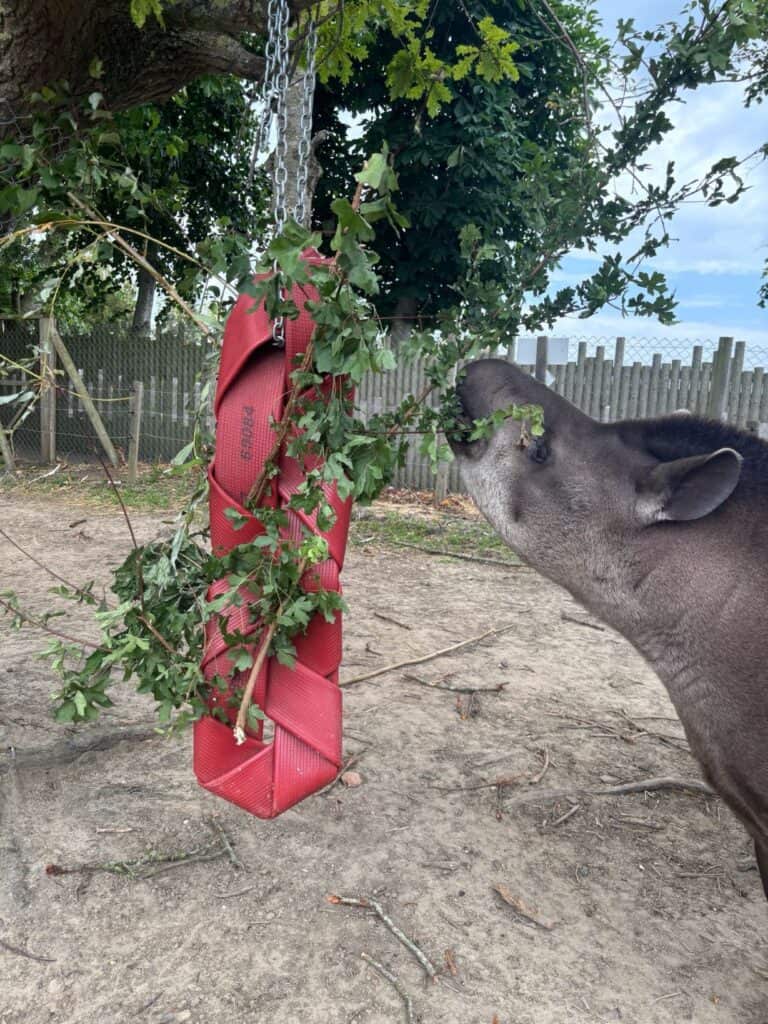
Similarly to the hippos, the tapirs are also browsing animals that come from dense forest habitats but this time in South America. Using their flexible, trunk-like snouts, they are able to grasp branches and pull vegetation towards them. Providing browse helps replicate this natural feeding pattern by supplying additional fibre, which is essential for maintaining healthy gut function. Fibre supports normal digestion, helps food move properly through the digestive tract, and contributes to overall digestive health.
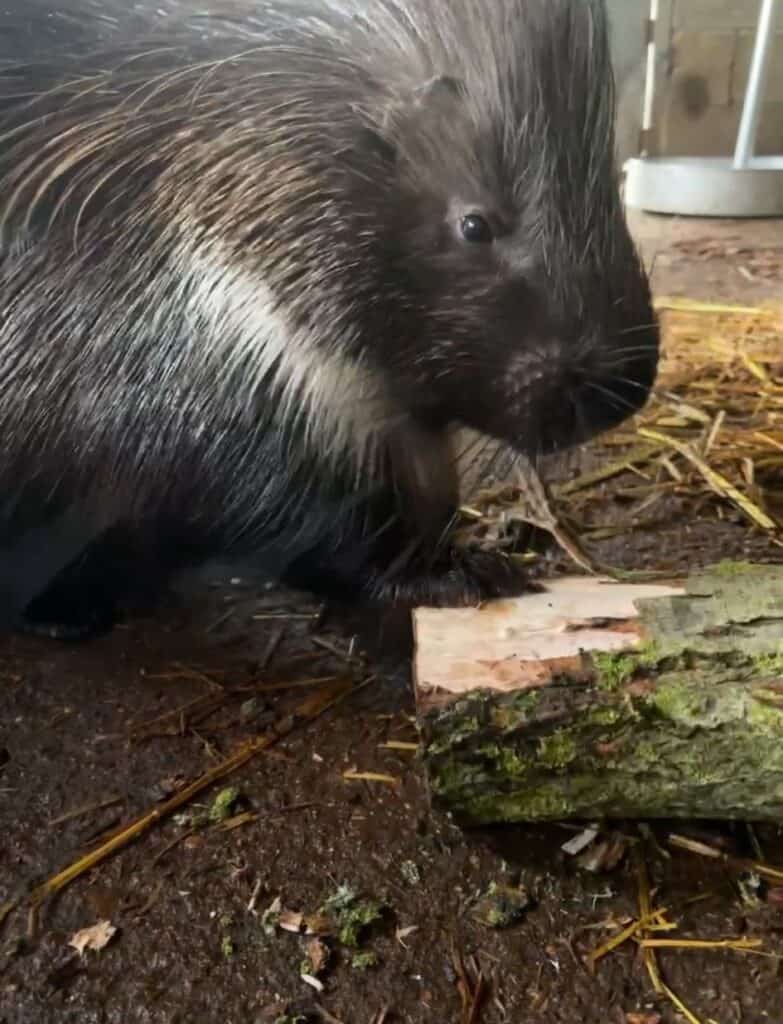
Even our rodent species benefit from browse. We have a large range of rodents around the park such as capybara, porcupines, Patagonian mara, cloud rats and even naked mole rats. One of the biggest reasons browse is so important for rodents is because of their teeth. Rodents have continuously growing incisors throughout their lives, which means they naturally need to chew and gnaw regularly to help wear them down. In the wild, this would happen naturally through feeding on vegetation, bark, roots, branches and other tough plant material. Browse provides a safe and natural way for animals like porcupines to chew, strip bark and investigate different textures. Without enough opportunities to gnaw, teeth can become overgrown and lead to serious health problems.
So next time you visit the park and notice fresh branches inside an enclosure, you’ll know there’s much more to it than meets the eye.
By Meghan, Deputy Head of Mammals