Earlier on this week we celebrated world bear day, why? Because who doesn’t love bears! There are eight species: Asiatic black bears (moon bears), brown bears, giant pandas, North American black bears, polar bears, sloth bears, spectacled (Andean) bears and sun bears. Each species has adapted to its environment in remarkable ways, from the polar bear’s powerful sense of smell to the sun bear’s long tongue for reaching honey and insects. Their lives and habitats stretch across the world, from icy arctic coasts to tropical rainforests.
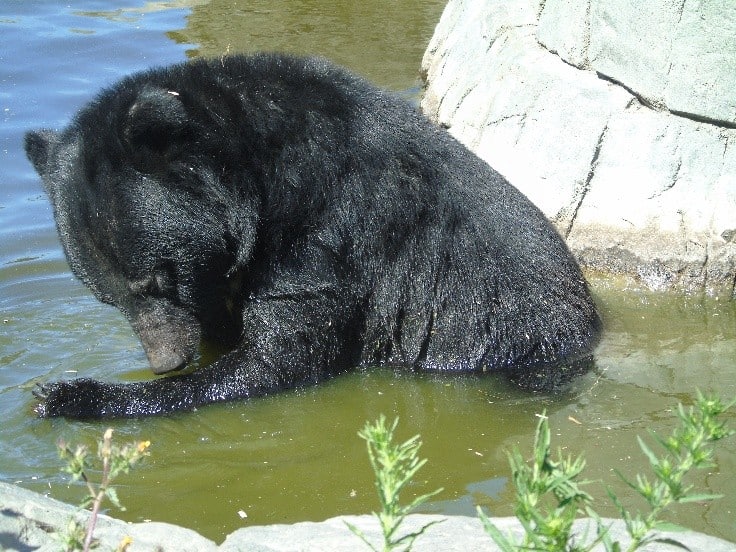
Here at the park, we are home to 2 moon bears Mika and Aroon. Having been at the park since 2017 it’s a privilege to be able to look after these magnificent bears. Their presence is both humbling and inspiring, gentle yet powerful animals with distinct personalities that make every moment spent with them unforgettable. In 2020, they bred successfully with baby Baloo making his arrival, marking a particularly special chapter in their story. Watching them contribute to the continuation of their species was not only rewarding but also deeply meaningful, given the challenges moon bears face in the wild. It served as a reminder of the importance of conservation and the role dedicated care can play in protecting vulnerable species. Baloo was moved to his new home in 2024 where he can now contribute towards the continuation of this conservation.
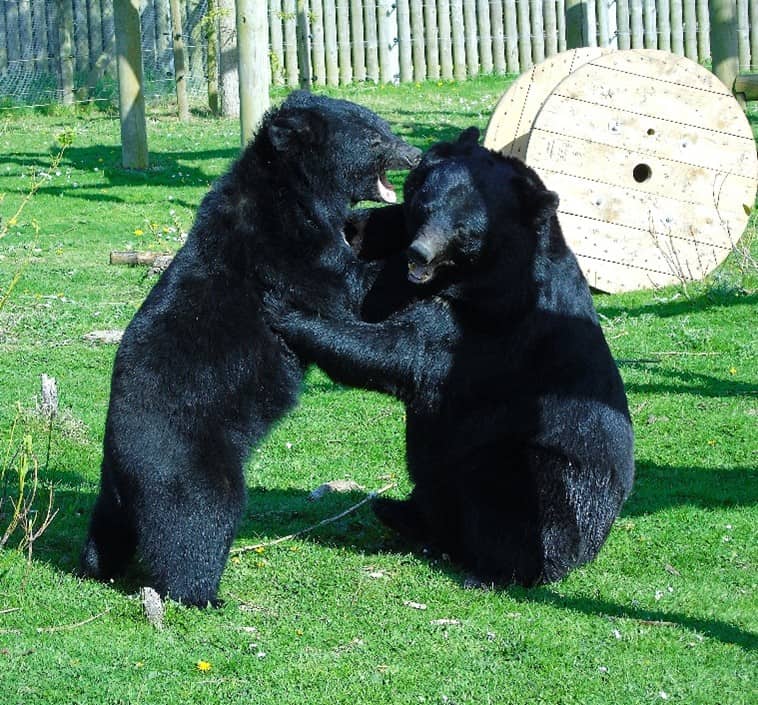
Bears are intelligent, emotional and essential to the balance of their ecosystems. They play a vital role in keeping forests healthy however their survival is threatened by several major issues. Despite their adaptability, moon bears are classified as vulnerable, with fewer than 60,000 individuals estimated worldwide.
Deforestation for logging, agriculture and urban expansion is shrinking the forest that they depend on. As their habitat disappears food sources decline and bears are then forced into smaller areas which increases more encounters with humans.
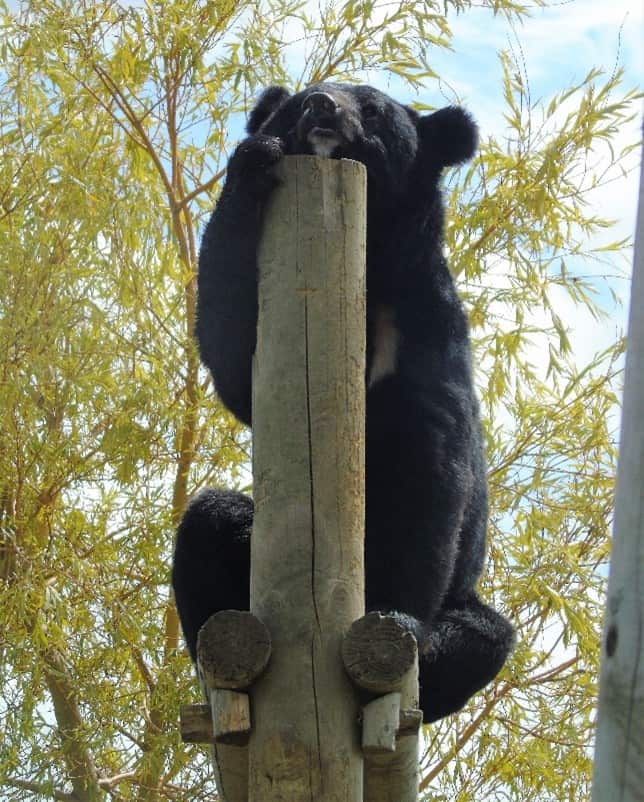
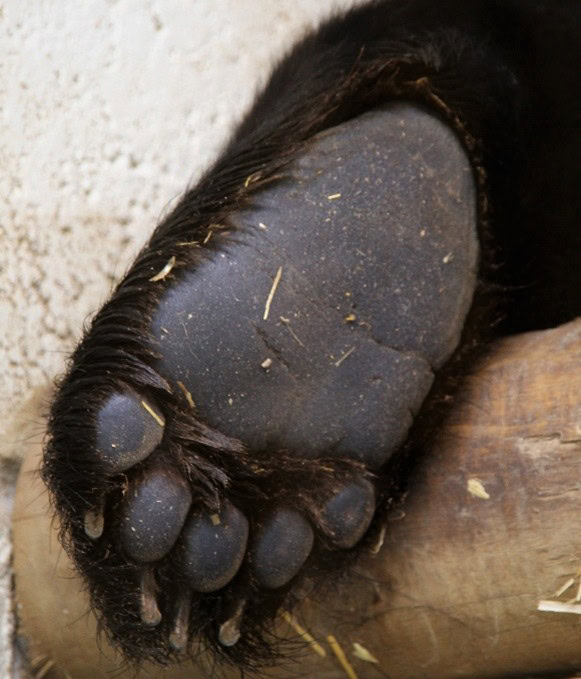
Hunted for their meat. Their paws are also considered a delicacy in some regions aswell as their Gallbladders being used in traditional medicine. Poaching continues across much of their range, even where laws exist to protect them.
Bear bile farming, where bears are kept in captivity and bile is extracted for use in traditional medicine. Confined in small cages, the extraction process causes long term suffering. Many of these bears are captured from the wild to supply farms, this practice has had a devastating impact on populations and animal welfare. Next time you visit the park I do encourage you to go up to the bear house and see the replica bear bile cage we have on show so you can see how horrible this is, you can even go inside it to see just how cruel this practice is.

However, it’s not all doom and gloom as there is growing global awareness about the plight of bear species. Conservation efforts include rescue and rehabilitation centres for bile farm bears. Anti-poaching laws and enforcement that in also help habitat protection and reforestation. Public education campaigns to reduce demand for bear products and make people aware this is happing in the world.
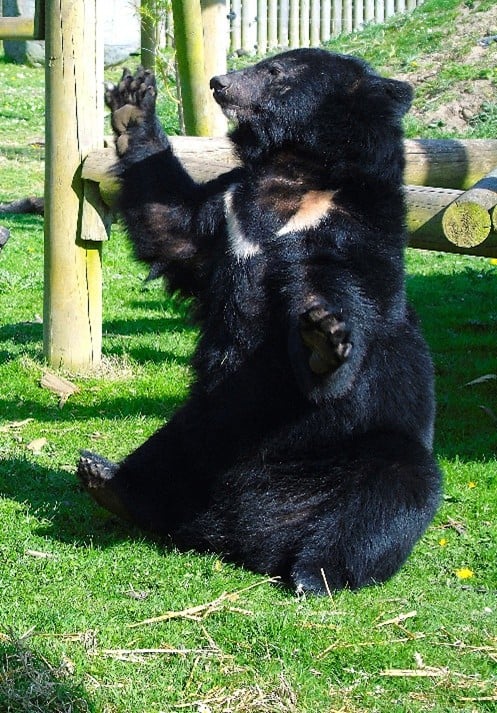
Moon bears are a powerful symbol of both the beauty and fragility of wildlife. While they have survived for thousands of years across Asia’s forests sadly modern human pressures are pushing them toward decline. Protecting them isn’t just about saving one species for me it’s about preserving entire ecosystems. Let us all play apart in ensuring that bears continue to rise across the world for generations to come.


No Comments
Be the first to start a conversation