A few months ago, I was lucky enough to be able to visit the infamous Galapagos Islands – an incredibly special place for anyone who loves wildlife.
I’m Samantha, the Assistant Curator at Wingham Wildlife Park and I joined the team here back in 2024. Working here at the zoo, where we’re passionate about conservation and connecting people with nature, made my Galapagos experience even more meaningful.
In November last year, I embarked on a tour of some of the Southeast islands, travelling aboard the yacht Yolita. From the moment we set sail, I was in awe; witnessing wildlife in one of the most unique environments on Earth.
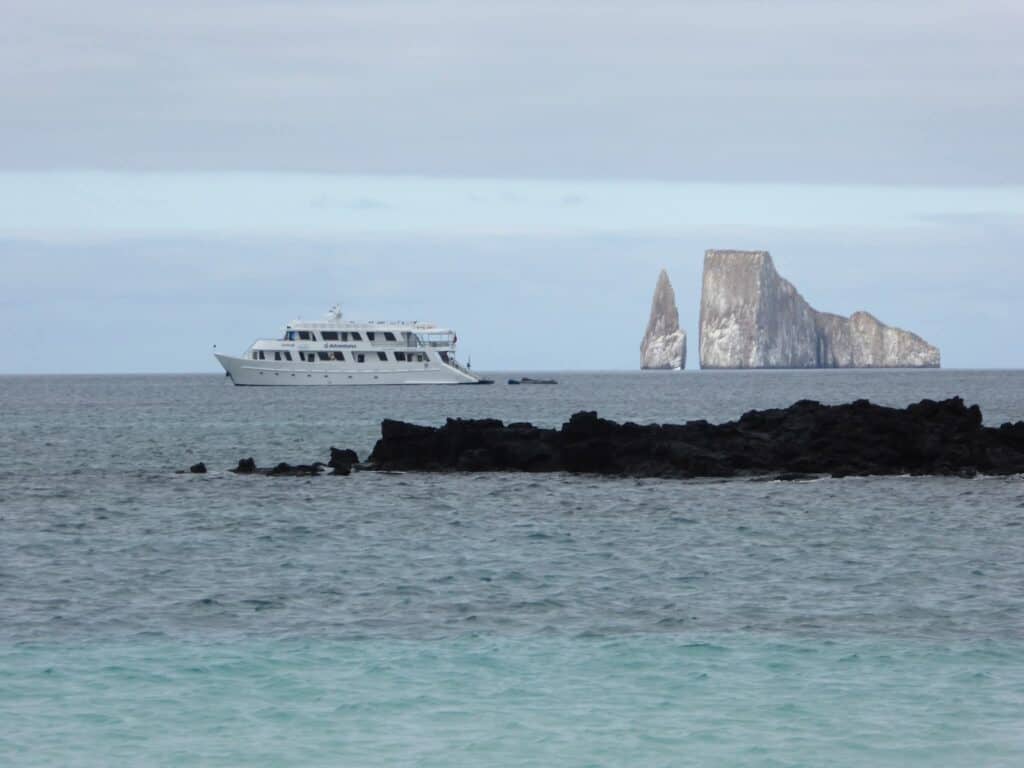
The Islands
The islands that I visited were some of the first islands to have formed (this was purposeful, as this is where the wildlife that I was keen to see is most well-established) and are unlike anywhere else I’ve ever been. Uninterrupted views stretching across the horizon, dramatic coastlines, black lava rock and delicate pockets of vegetation. Each island felt completely distinct, as the ecosystems have developed in almost complete isolation.
The Wildlife
Of course, the wildlife was the absolute highlight for me. When we disembarked for an afternoon stroll and I encountered the first of my “must-see” Galapagos animal (the blue-footed booby), I was taken-aback by just how relaxed they were around our small group. With no large predators on the islands, the animals do not have the same fight-or-flight response as the wild animals I encounter in the UK and have encountered on my previous adventures overseas.
Much of the wildlife on the Galapagos is completely unique to the archipelago and some, completely unique to just one island. These are just some of the species I was lucky enough to see:
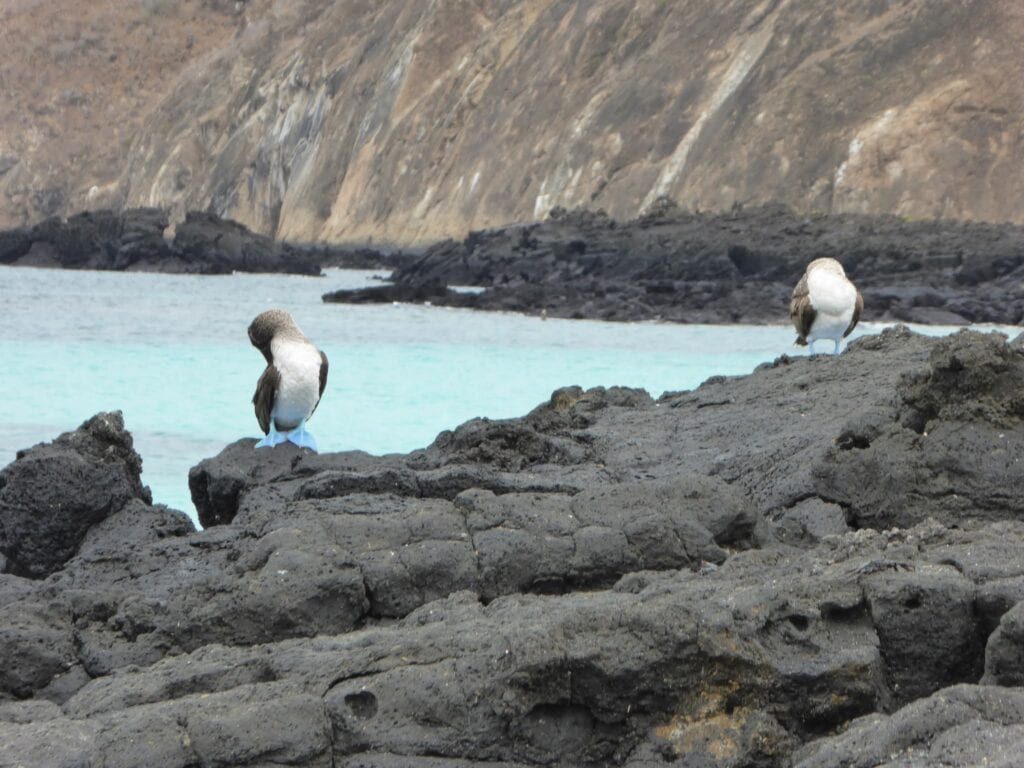
Blue-footed Booby
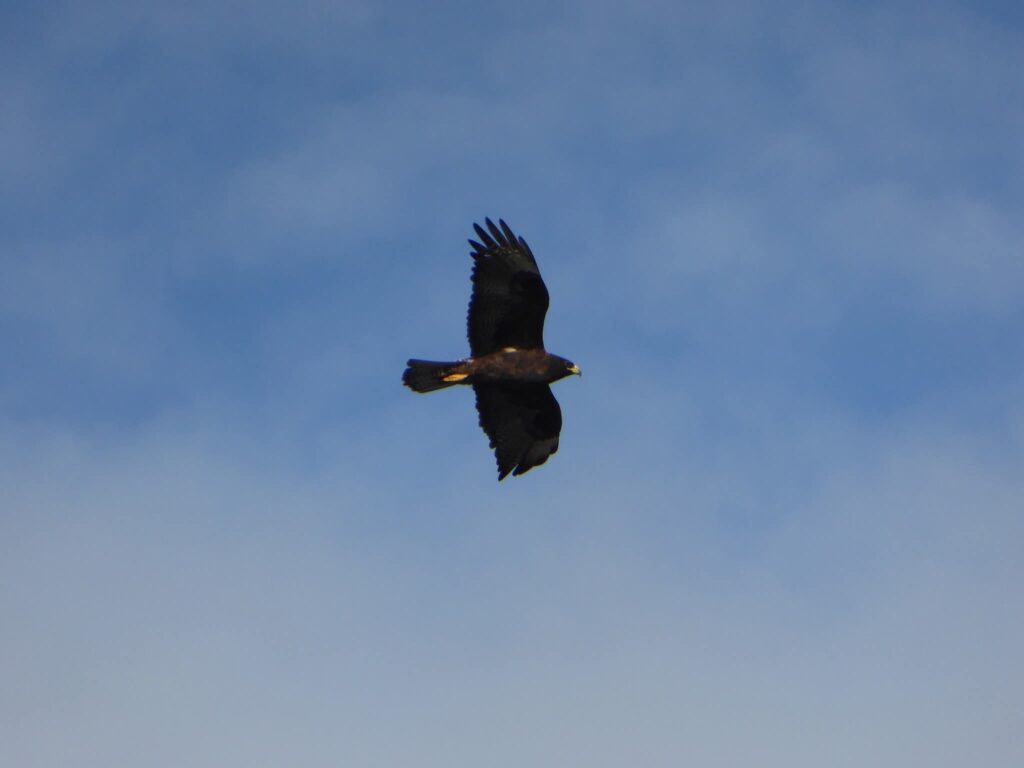
Galapagos Hawk
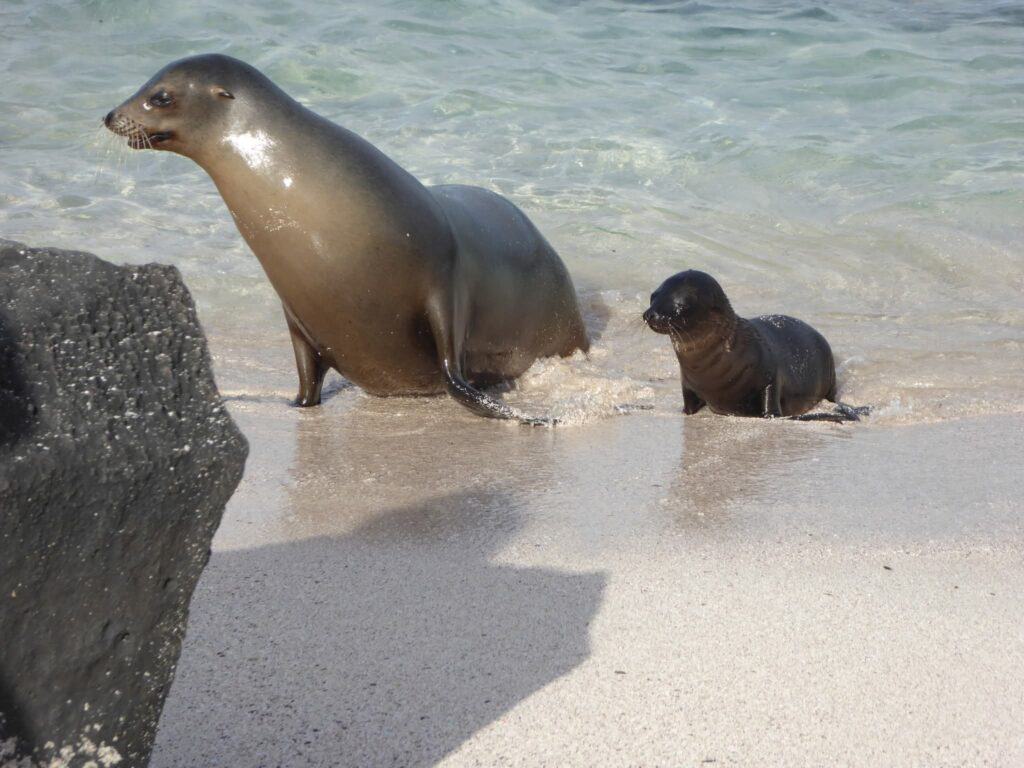
Galapagos Sea Lion
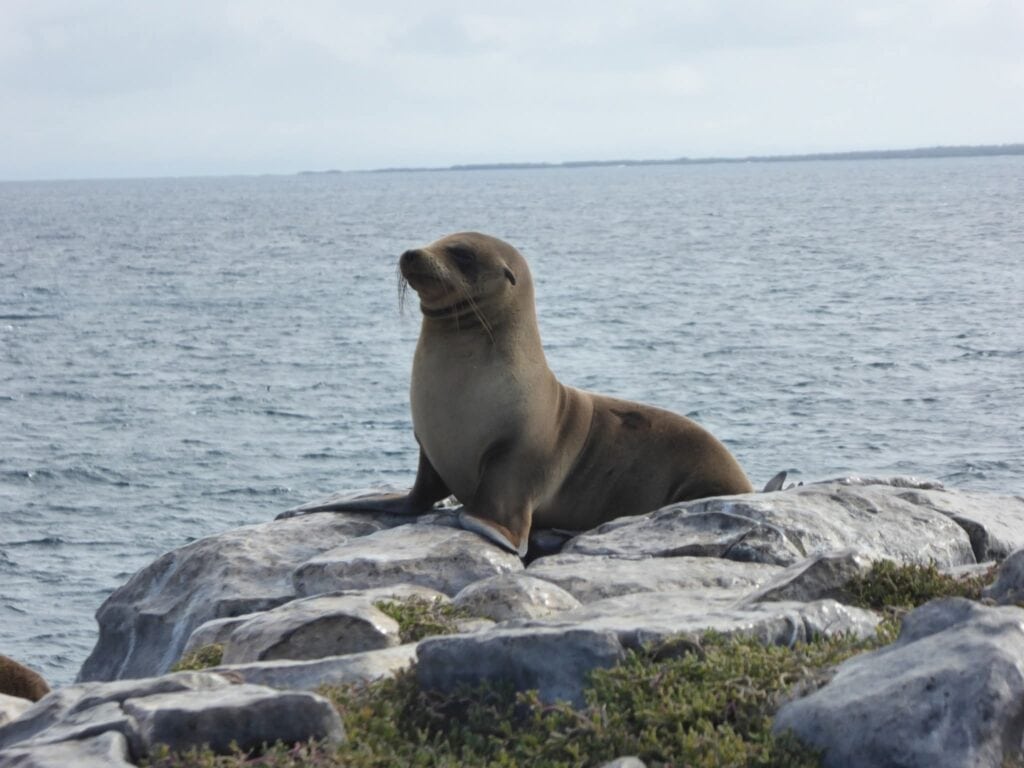
Galapagos Sea Lion
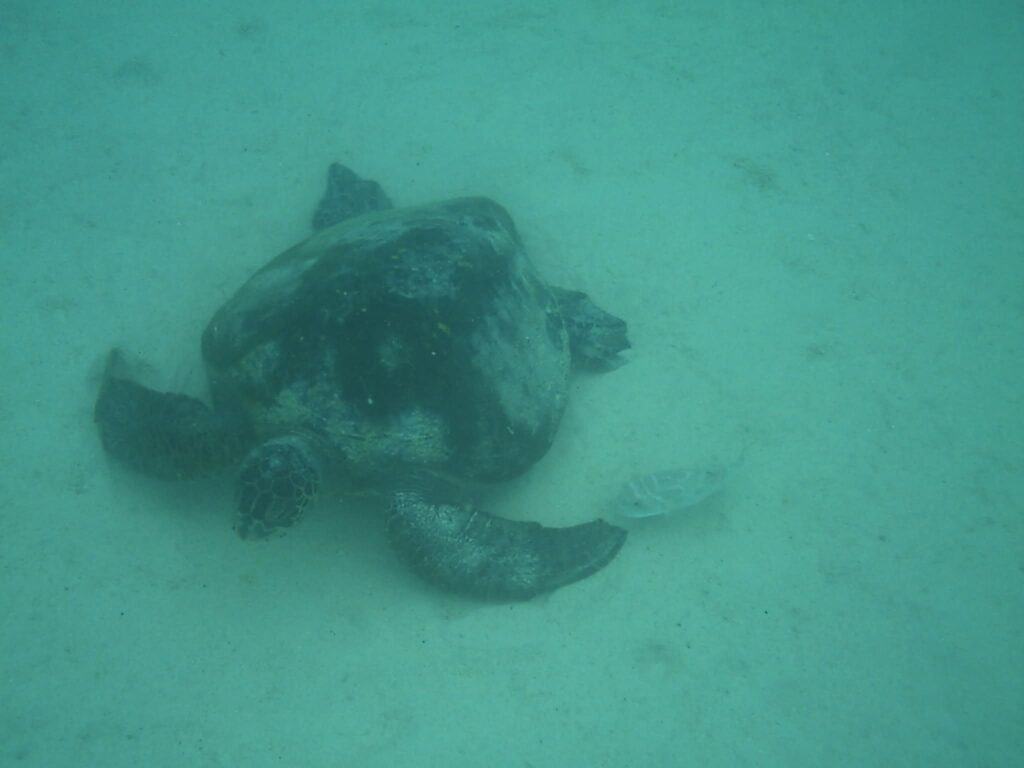
Green Turtle
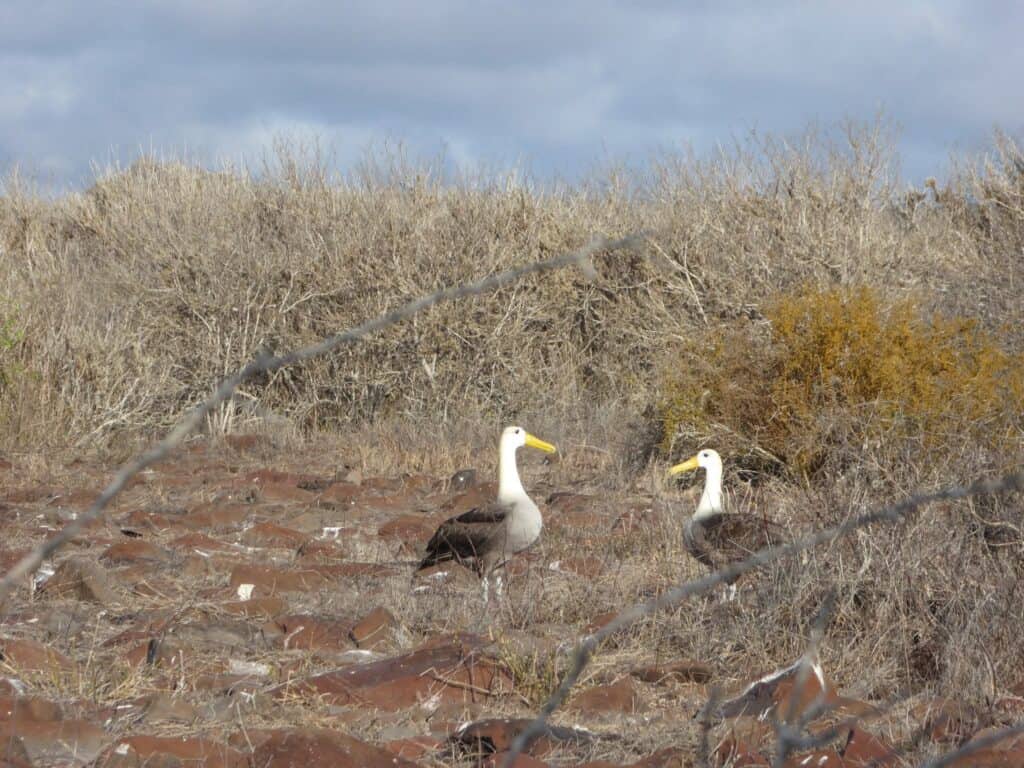
Waved Albatross
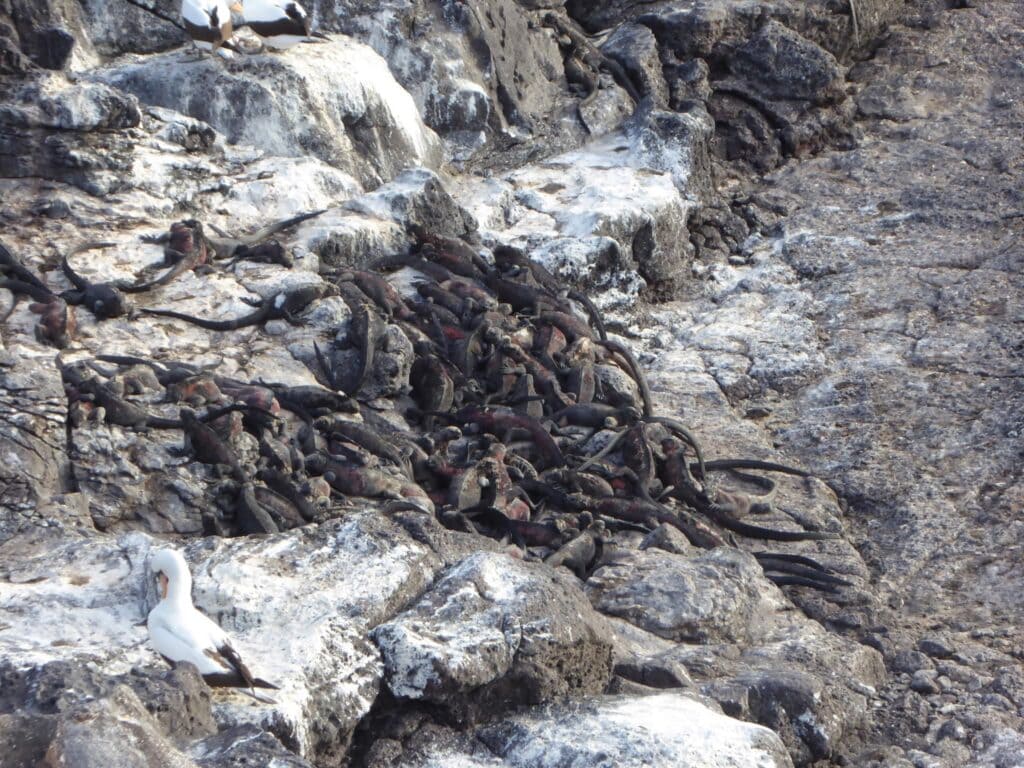
Marine Iguana
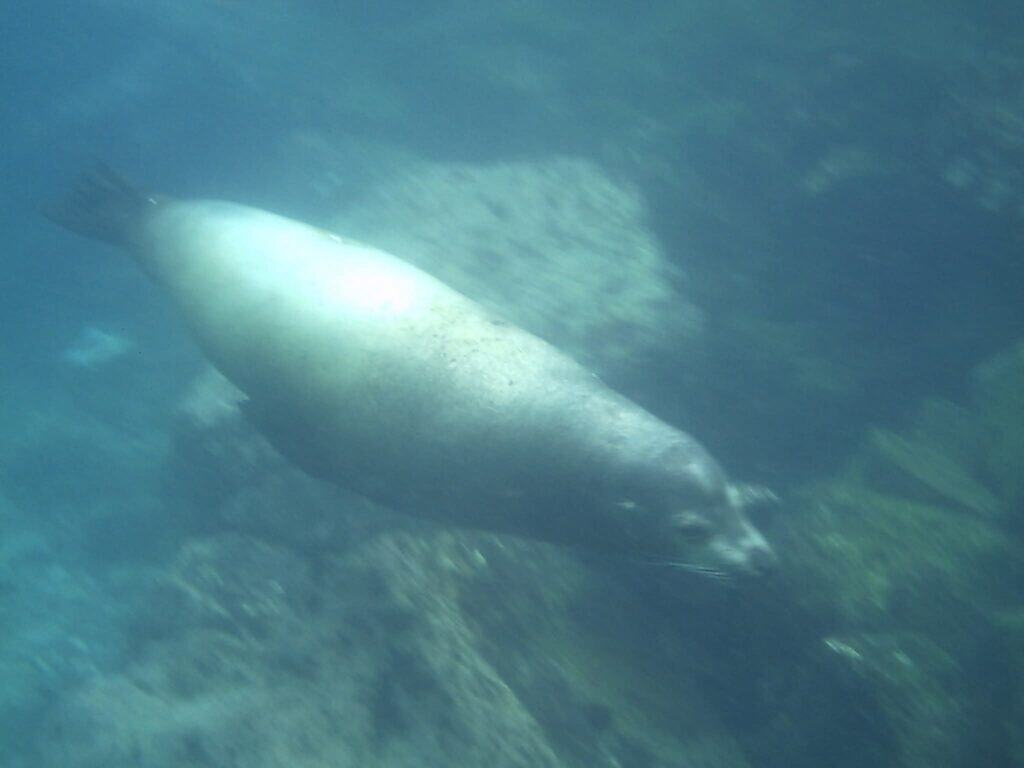
Another Sea Lion
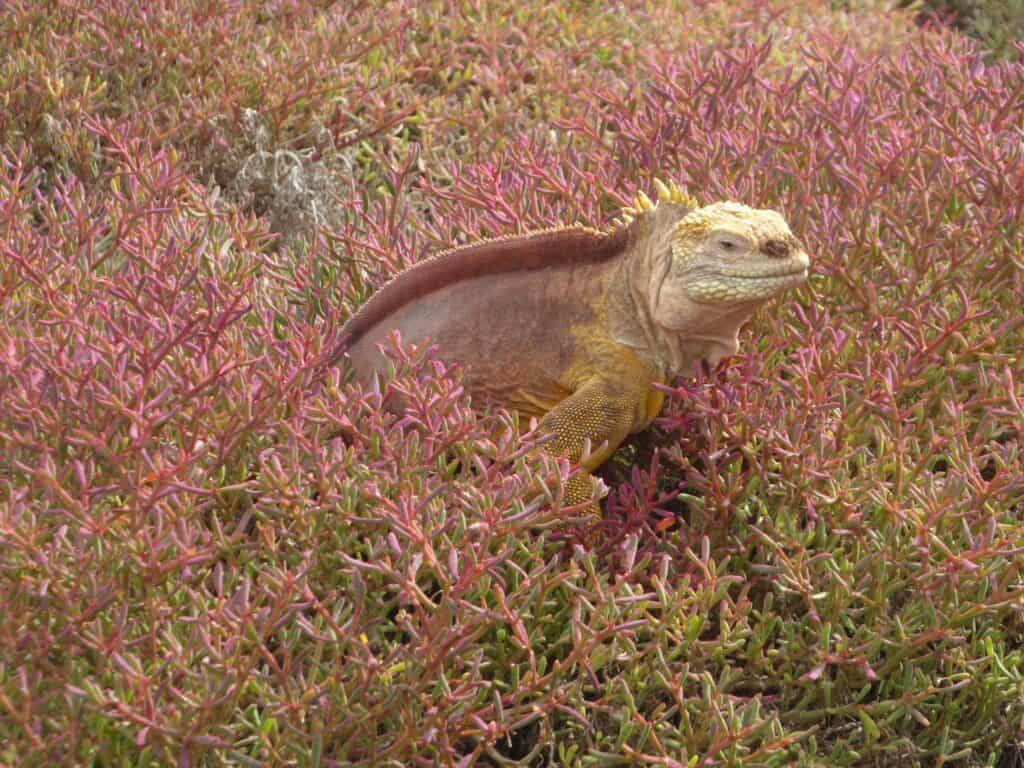
Land Iguana
Conservation
As someone working in a wildlife park, conservation is always at the forefront of my mind. The Galapagos are one of the best examples in the world of how careful management and protection can preserve biodiversity.
Strict visitor guidelines, biosecurity measures and regulated tourism all play a vital role in maintaining the delicate balance of the islands. It was inspiring to see how these efforts allow people to experience the islands while still prioritising the wellbeing of the wildlife.
This really resonated with me and reflected the values we uphold at Wingham Wildlife Park: educating visitors, supporting conservation and fostering a deeper connection between people and animals.
The Charles Darwin Research Station
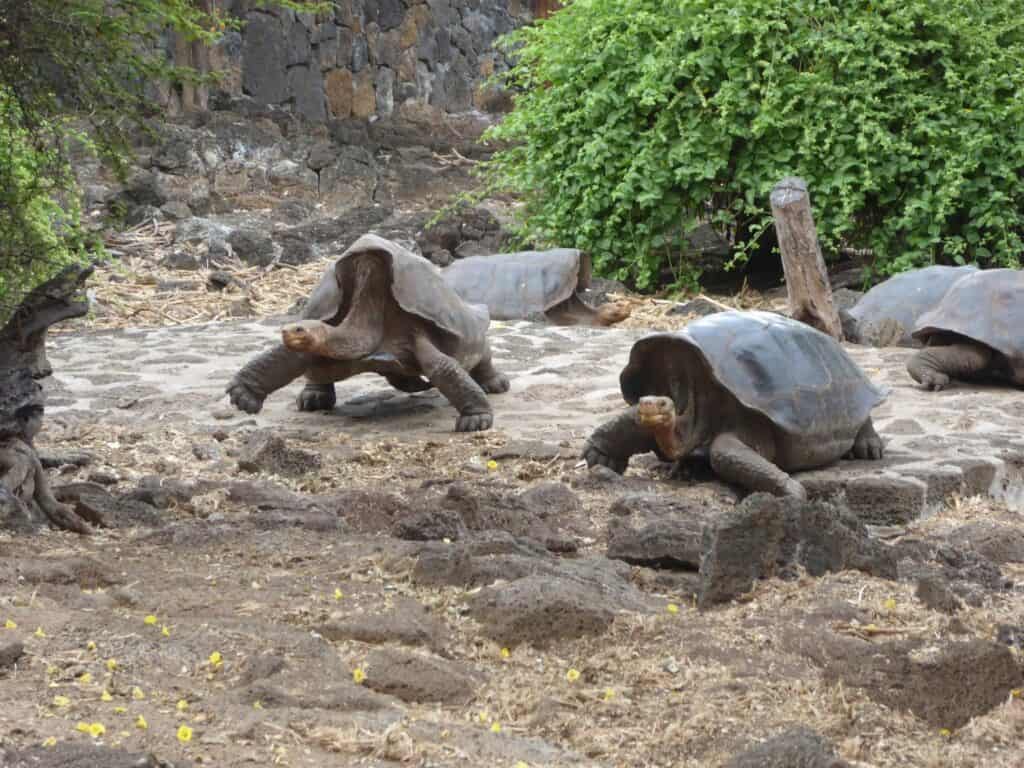
Just before leaving the Galapagos, I was treated to a special visit. Located on Santa Cruz Island, the Charles Darwin Research station plays a vital role in the conservation and restoration of the Galapagos ecosystem. It’s best known for its work with the Galapagos giant tortoise, where breeding and rearing programmes have helped bring several species back from the brink of extinction.
This came with a stark reminder of what happens when conservation is actioned too late. Lonesome George was the last known individual of the Pinta Island tortoises. For years, teams at the station worked to find him a mate and save his species. Unfortunately, he passed away in 2012 leaving a powerful reminder of the permanence of extinction. His remains are displayed at the centre and he continues to inspire efforts across the islands to protect the remaining tortoise species and prevent similar losses in the future.
Looking around the station, I saw first-hand just how much work conservationists are doing to preserve the remaining tortoise species. There were tiny hatchlings, teenagers transitioning into more wild environments and fully grown adults whose offspring will eventually be released into their natural habitats. It was incredibly inspiring and really brought home the impact of long-term conservation efforts. It was also a powerful reminder of how science, education and hands-on care can work together to protect some of the world’s most vulnerable wildlife.
If you ever have the opportunity to visit the Galapagos, I can’t recommend it enough. It really was the experience of a lifetime!
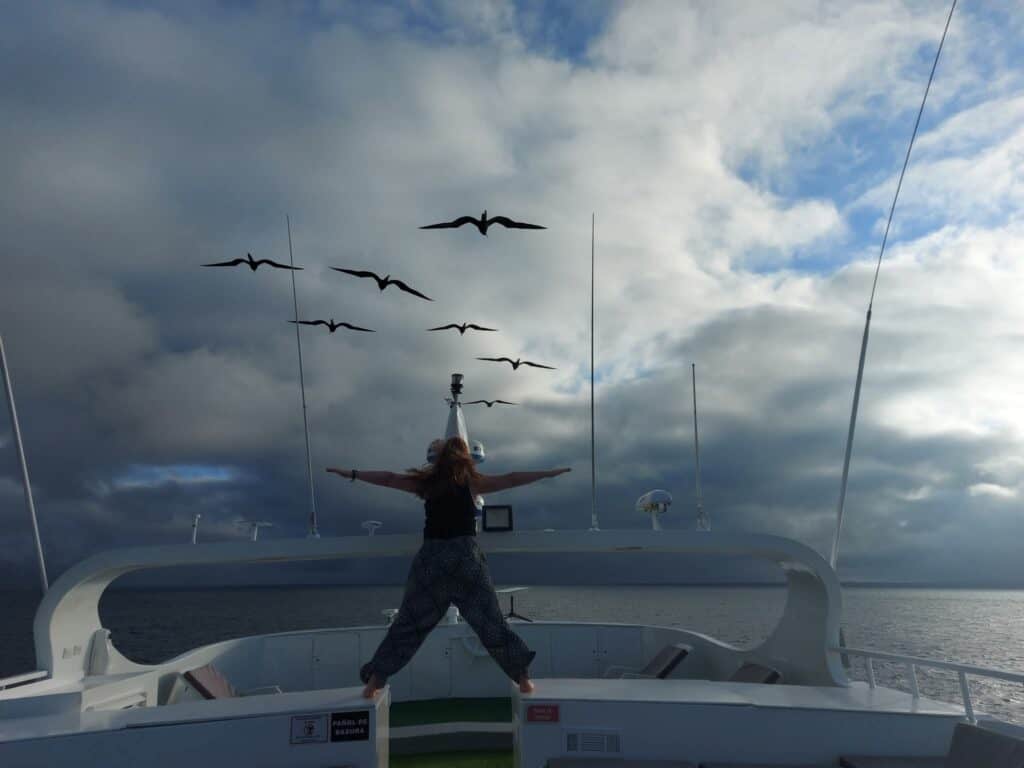
Flying with the Frigatebirds Aboard the Yolita

No Comments
Be the first to start a conversation