Finding that special someone in your life is a beautiful thing, but when it comes to animals it’s also quite rare. An estimated 90% of bird species partner up for life, however that can’t be said for mammals. It is estimated that only 3% to 5% of all mammal species form monogamous relationships. With Valentine’s Day fast approaching, what better way to celebrate everything romantic than to look at some of our favourite couples at the park that are in it for the long haul and to see how some of our animals try to woo each other.
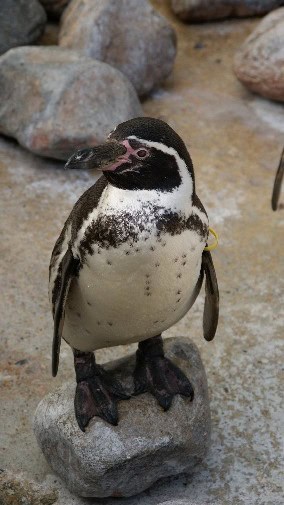
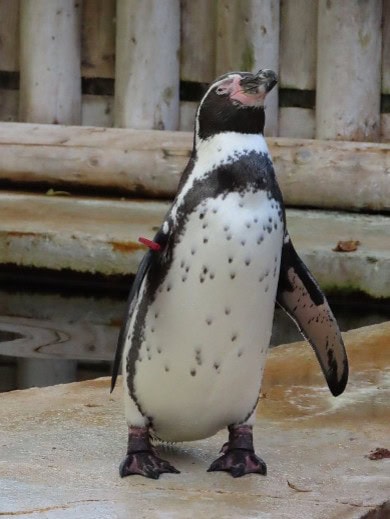
Humboldt penguins are some of the animal kingdom’s most devoted partners. Wingham couple Palamedes and Lily have been a couple together for 15 years and have successfully reared several chicks in that time. Many form a long-term pair bond and courtship often involves mutual preening, synchronized movements and lots of communication through braying. Their braying calls are loud and distinctive, helping couples find each other in crowded colonies. Valentine’s lesson, communication is everything.
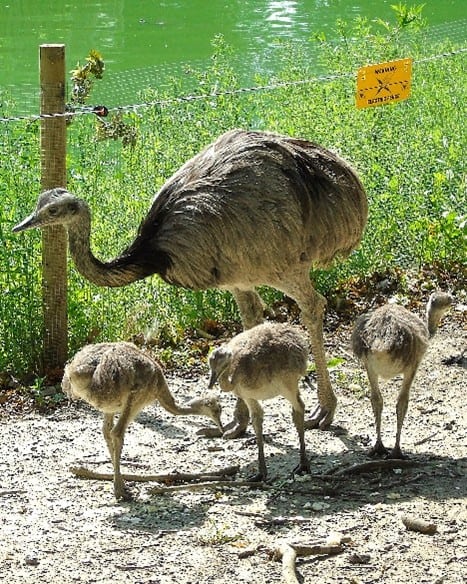
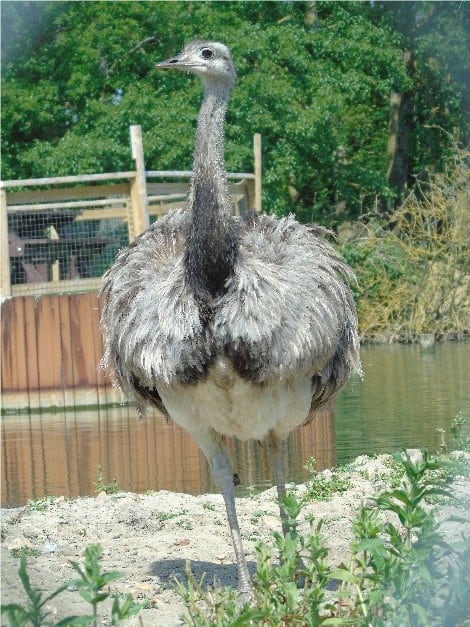
Another species of bird that relies on communication are rheas. The male performs courtship displays involving booming calls and wing shaking in an attempt to attract females. Unlike most animals on earth, rheas engage in almost exclusive paternal care. Nests are created by males and consist of a simple shallow depression that is lined with vegetation. Several females will lay eggs in each male’s nest, which can result in up to 30 eggs in a single nest. Afterward, females typically venture off to find another mate and lay more eggs, leaving the male to incubate alone. Next time you come to the park make sure to come and visit our rhea couple Shakira and Caesar and their not-so-little-anymore chicks.
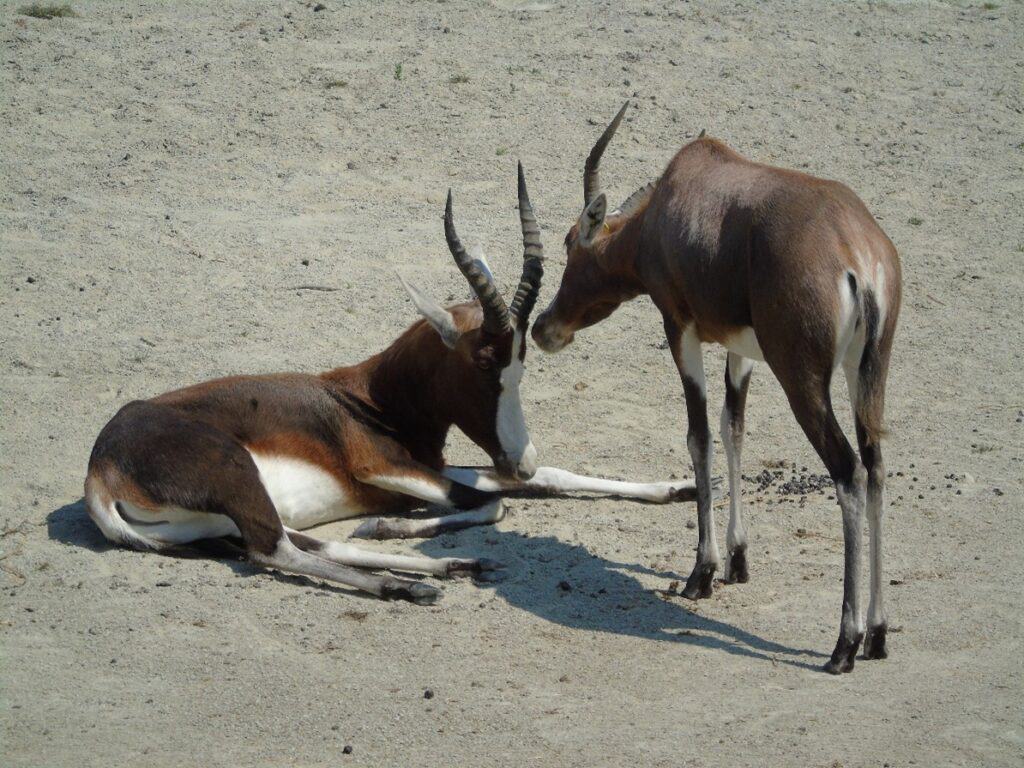
Jerky and Aurora our blesbok couple are antelope known for strong social structures. During breeding season, males mark territory using scent glands near their eyes and nod their heads up and down to communicate with females and rivals. Valentine’s twist love is all about signals no chocolates needed in the world of blesboks, just good communication and knowing your space.
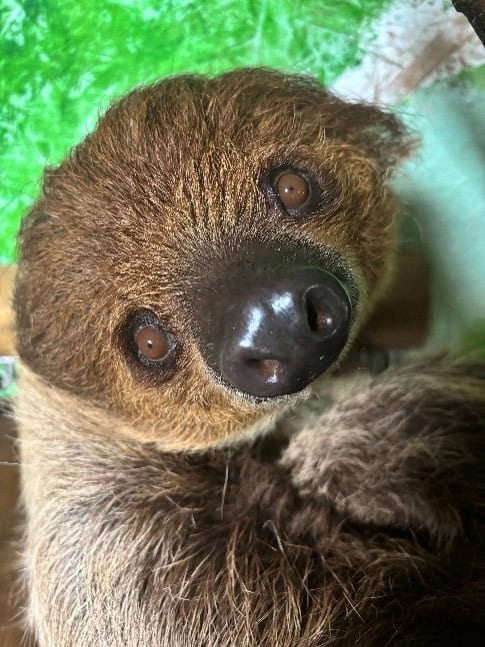
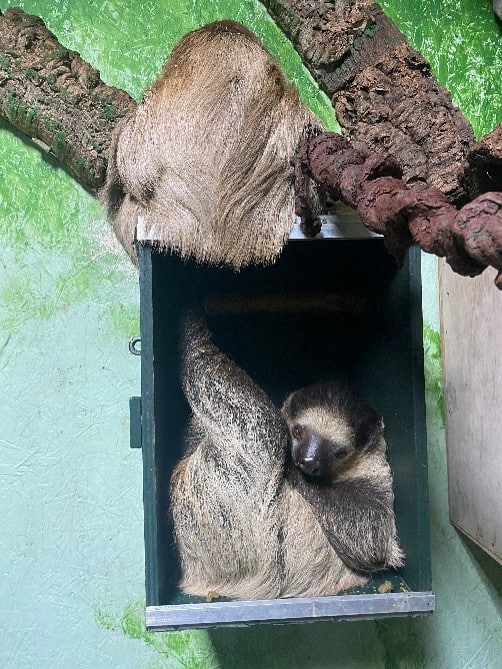
Noco and Sid our Linnaeus’ two-toed sloths may move at their own pace however when it comes to finding a mate, they know what they’re doing. Female sloths call out to attract males and potential partners may spend several days sharing the same tree before mating. Sloths are such efficient energy savers that their slow metabolism helps them survive on a low calorie diet therefore proof that love doesn’t have to rush to be meaningful.
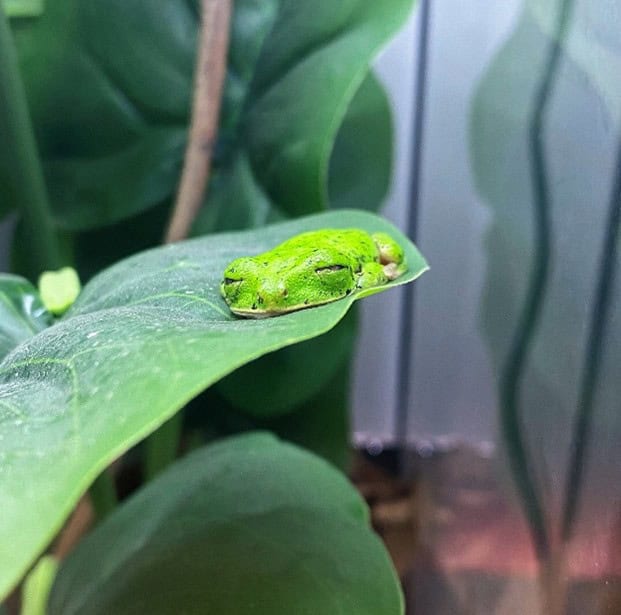
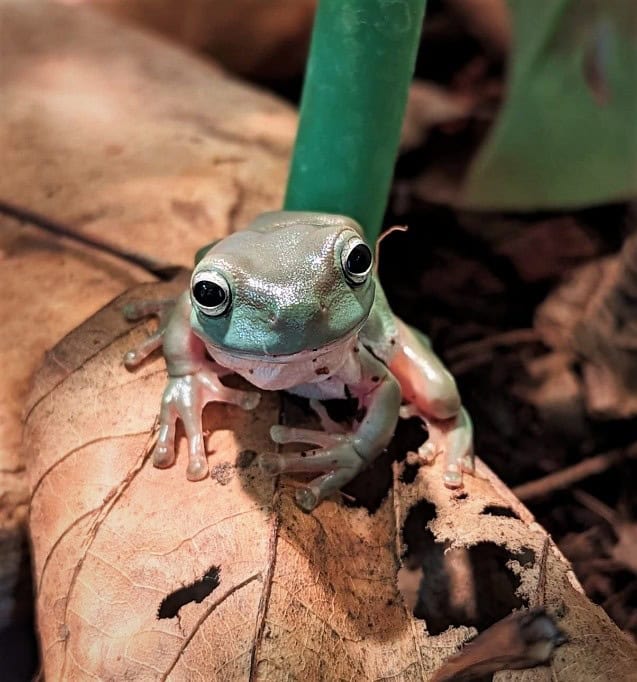
Not all zoo romances are soft and cuddly. Some frogs serenade potential mates with surprisingly loud calls, my valentine’s day reminder is there’s no one “right” way to flirt. Male frogs begin their courtship by singing or calling to attract females. If a female is receptive and approaches, he may try to grasp onto her from behind. This position is called “amplexus.” As the female lays her eggs, the male fertilizes them externally. Once dad has completed this task, he moves on to “woo” the next female. Although mum might stay on the leaf for a day or two she will then leave them on their own soon after.
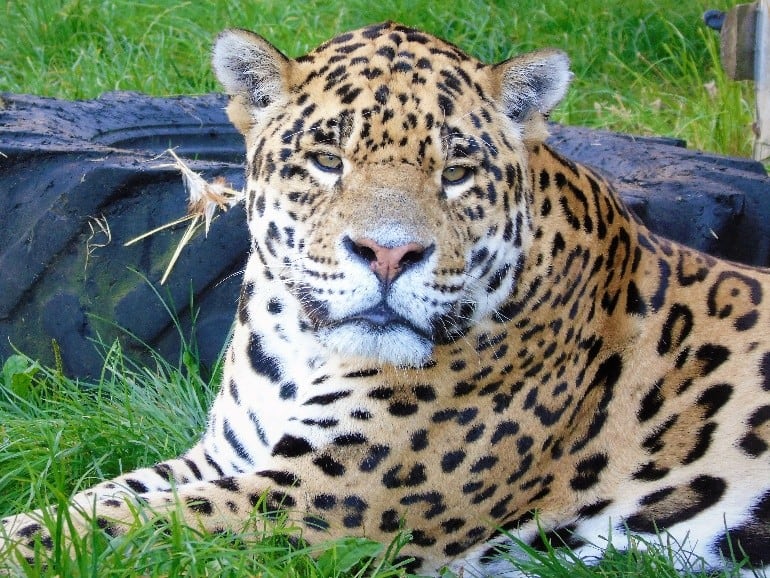
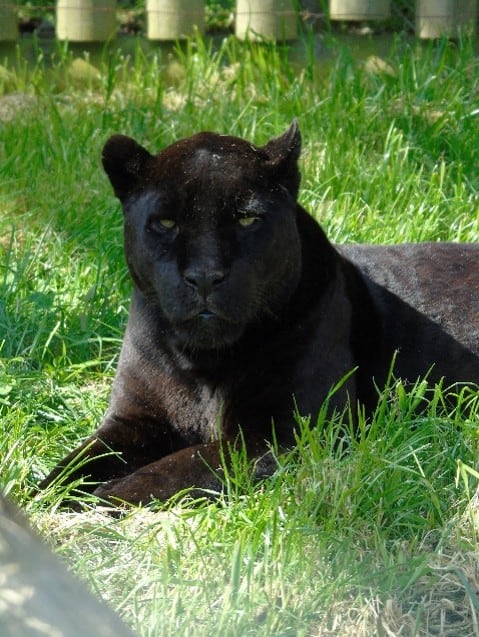
Our jaguar pair Loki and Luna would be solitary in the wild, but that doesn’t mean they’re antisocial. During mating season, males and females seek each other out using vocalizations, scent marking and shared travel paths. A pair may stay together for days, hunting and resting side by side. Jaguars don’t roar like lions they produce deep, rasping calls that echo through the forest, a dramatic love language worthy of Valentine’s Day.
There’s plenty we can learn from the animal kingdom when it comes to romance. So if you’re stuck for ideas where to take that special someone this Valentine’s Day or perfect place for a date then why not consider a day out with us at Wingham.


No Comments
Be the first to start a conversation