Biazas Creatures Unseen Week
This week, from the 23rd to the 27th of October, BIAZA (British and Irish Association of Zoos and Aquaria) is shining a light on the nocturnal animals that live and thrive in the dark.
Nocturnal animals are important for the ecosystem and many species are under threat.
Here at Wingham Wildlife Park we have recently opened our Nocturnal House. It allows you to see some of these species up and about, rather than snoozing the day away, because we have flipped the day and night cycles for them. When you first go through the door to the Nocturnal House you will be plunged into darkness. However, if you give your eyes a few minutes to adjust to the low light you’ll be able to see the wonderful animals we have housed in there.
So, who can you find in the Nocturnal House and why are they important?
Naked Mole Rats
I feel like we should start with our newest arrivals: naked mole rats. Although they are listed as least concern by the IUCN Red List, they perform important roles in the ecosystem. So much so that they have been deemed “ecosystem engineers”.
Naked mole rats live underground, creating huge burrow systems (up to 2 metres deep and 2.5 miles long). Any excess dirt is removed from the burrows and placed on the surface. A study of these dirt mounds showed that they had higher nutrient levels, which makes perfect plant growing material. Plus, the soft mounds enabled water to penetrate the dirt easier. Therefore, the dirt excavated by naked mole rats helps wildflowers and other plants grow. This then benefits pollinators like bees and other insects, enhancing the ecosystem.
These guys may look a little odd, but they perform an important role, especially for the plants in the arid habitats of South Africa.

Clouded Leopards
Some firm favourites in the Nocturnal House are our clouded leopards. This species is listed as vulnerable by the IUCN Red List due to being threatened by urban development, agriculture, deforestation and illegal hunting.
Clouded leopards are apex predators, and they positively impact the ecosystem by reducing and regulating the population of prey species. This includes deer, that would ultimately cause destruction to plant life if their numbers were otherwise not controlled. Without their numbers being controlled, these prey species could cause irreparable damage that would negatively affect many other species within the ecosystem.
The clouded leopards’ job may be a little more brutal than moving fluffy dirt out of tunnels for wildflowers but it is an important job. Scotland shows a prime example of what happens when a prey species is not managed. They have an estimated 1 million deer who are over-grazing forests, damaging peatlands and helping with disease and parasite transmission.
At Wingham we have 2 clouded leopards who are part of a breeding programme. They have recently been re-introduced after allowing them to become settled in their new enclosures in the Nocturnal House.

Savu Island Python
Opposite the clouded leopards in the nocturnal side of the Reptile House, you will find our Savu Island Pythons. This species of snake is listed as endangered by the IUCN Red List. They are threatened by agriculture and introduced livestock species as well as collection for the pet trade.
Despite snakes getting a lot of bad press, they play an important role in the ecosystem in all areas where they are found. Snakes help with pest control which reduces the occurrence and spread of disease and parasites. Savu Island python diet is mostly made up of mammal species. Meanwhile, other snake species will eat slugs, snails, insects, fish, frogs and large mammals (all depending on the size of the snake obviously!).
Here at Wingham, our Curator Markus is the studbook keeper of the species. This is important to ensure the species stays as genetically diverse as possible in captivity. We have 3 individuals living in our Reptile House. You can find our pair of Savu Island Pythons opposite the clouded leopards and our third is currently off display in her own enclosure.

Sugar Gliders
Next up are the sugar gliders. These guys are listed as least concern by the IUCN Red List, but they do perform important ecological roles.
Sugar gliders, as their name may suggest, feed on a many sweet food items like nectar, pollen, plant sap and gum. However, they will also eat seeds and insects too. They spend the night in the lower parts of forest canopies, foraging for food. Due to their diet, they help to pollinate native Australian plants such as Banksias (several species of this plant are threatened or rare), disperse seeds and they help to control the insect population. Eating insects will help reduce the likelihood of diseases and parasites in the environment.

The Nocturnal House isn’t the only place to find animals that are active at night here at Wingham Wildlife Park. We have species dotted around the park too which follow the natural day/night cycle like we do. You may see them during the day not doing a lot. But once we’ve all gone home and the sun sets, these guys will begin their nightly activities.
Who are the other animals in the park that are nocturnal and why are they important?
If you head to our Reptile House you’ll be find our Frog Room. This is an air-cooled room that is home to our lemur leaf frogs. Lemur leaf frogs are a critically endangered species on the IUCN Red List. The species is threatened by disease, such as chyridiomycosis and ranavirus, habitat loss, deforestation, agriculture and illegal mining.
Lemur leaf frogs and other species of frog are important in helping control the insect populations. In turn this can reduce the spread of illness and disease. Frogs are important for keeping waterways clean. Plus, they’re also considered an “indictor species” meaning they’re usually used to assess the health of an entire ecosystem. This is due to them being incredibly sensitive to environmental changes.
This species is monitored in the wild and parts of its range are protected for conservation of the species. There have also been successful reintroductions of this species into the wild. Plus, there are places which keep them in captivity, like Wingham, to help with breeding and conserving the species.

Cockroaches
If you wander through our Bug House you’ll find several species of cockroaches to get a good look at. Cockroaches get a lot of hate and they are often perceived as dirty animals or things you only find in dirty places but they provide many benefits to the ecosystem.
Cockroaches break down decaying matter, add nitrogen to the environment (great for plants) and improve soil quality. They do this by creating burrows in the earth. Cockroaches have also been observed breaking down toxic substances into something less harmful. They are essentially the ultimate recyclers. Additionally, they are also an important part of other animals’ diets across the world.
Did you know that there are over 4500 species of cockroaches but only 5 of these are well known as pests? Our homes just aren’t a suitable environment for the majority of cockroach species to thrive in.
In our Bug House you will be able to find Madagascan hissing, domino, headlight and Trinidad bat cave cockroaches.


West African Dwarf Crocodiles
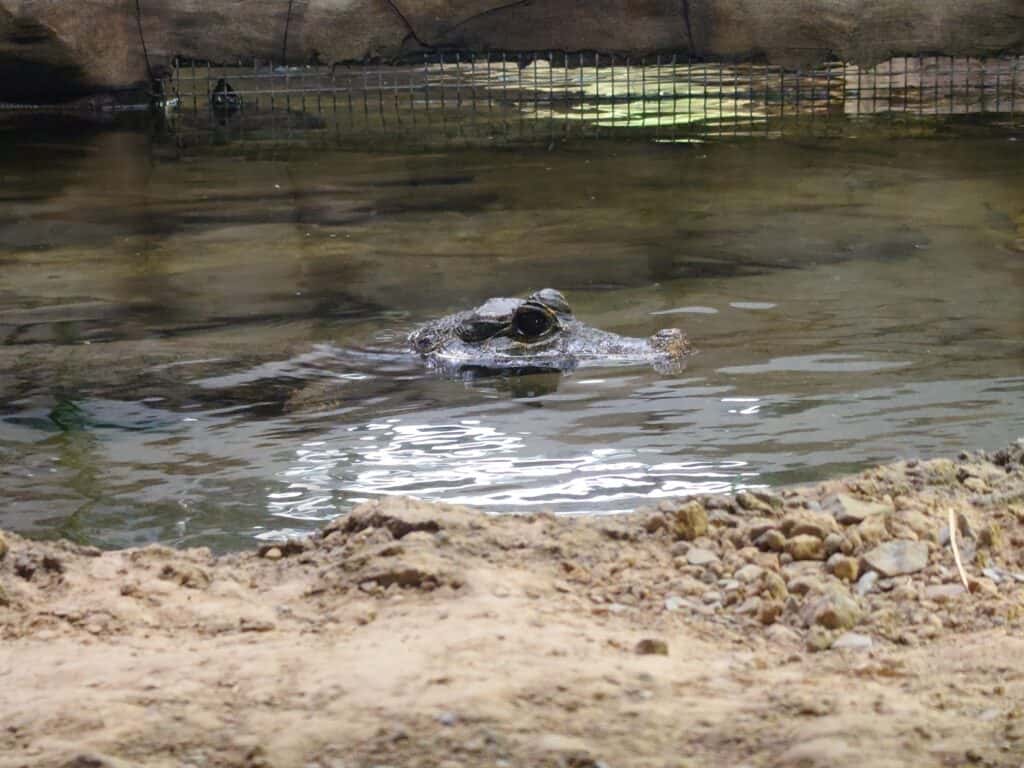
West African dwarf crocodiles are also nocturnal. Although you may see them moving during the day in the Reptile House, generally they’re most active at night. West African dwarf crocodiles are listed as vulnerable by the IUCN Red List. Although, it was last evaluated in 1996, and is the smallest species of crocodile. Its threats include urbanization, deforestation, agriculture and hunting.
Crocodiles play an important role in the ecosystem. Like the clouded leopard, crocodiles are apex predators, and help control the population of prey species like mammals, fish, birds, crustaceans and insects and can help reduce invasive species.
Crocodiles are incredibly hardy and can easily digest bacteria, viruses and microbes, meaning they can reduce and remove them from the environment without falling ill themselves. Furthermore, crocodiles will dig and burrow, creating shelter for other species and their poo can also be eaten by aquatic life.
Many people fear crocodiles and see them as killing machines, but without them, a lot of ecosystems would suffer.
We have a pair of West African dwarf crocodiles here at Wingham who we hope to breed in the future.
There are many different reasons as to why species have adapted to thrive in the night, be it predator avoidance, dietary requirements or finding a way to survive in harsh conditions. Whatever the reason, they have also filled a gap that helps the rest of the ecosystem do its thing to the best of its ability.
This blog only highlights a few of the nocturnal species that call Wingham Wildlife Park their home and how they benefit the ecosystem. Be sure to pop into the Nocturnal House on your next visit to see our other nocturnal animals going about their nightly activities. As you explore the rest of the park, see if you can spot any other nocturnal animals, like our porcupines, snapping turtles, lynx, tarantulas and geckos.