From a very young age I have wanted to work with animals in some capacity. As a child I wanted to become a palaeontologist, just like many others I was fascinated by dinosaurs. This was due to one of my favourite films growing up; The Land Before Time. This dream was then fuelled after watching other films like Jurassic Park. From seeing creatures that lived millions of years ago depicted on the silver screen, my fascination only intensified and as I have matured into adulthood that fascination has never truly left me.
As I moved from primary to secondary school my focus shifted. I became more interested in the animals that call our planet home in modern times. This interest helped me interact with the world in various ways. Being autistic, I was able to understand animals in a more profound way than people. Through body language and behaviour animals tell you everything in honest and open communication whereas people may not be as open. I could interpret this straightforward communication and my interest flourished. This was also helped by natural history documentaries. Like many others I was very influenced by the legendary David Attenborough and the amazing footage of various animals captured for the documentaries that he narrates. A combination of these factors allowed me to conclude that I didn’t want to work with bones but living creatures that I could interact with, thus I decided that I wanted to be a vet. Unfortunately, this epiphany of wanting to become a vet was short lived.
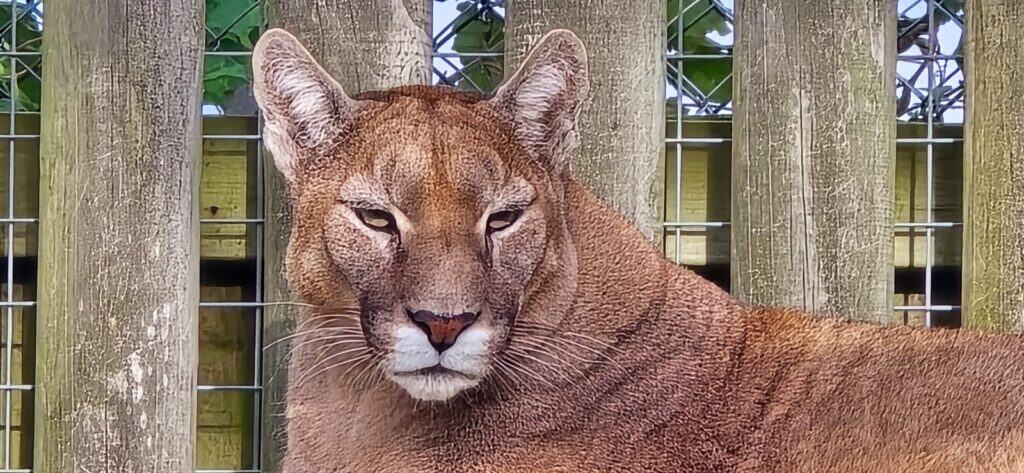
Working with animals is a very competitive field and although my knowledge and understanding of everything we learnt was fine, I was a terrible test-taker, this was reflected in my grades. Going into exams, opening a test and not being able to get everything out of my head was very frustrating for me. This made my educational journey challenging to say the least. Luckily, I realised this early on in secondary school and was able to adjust combat this. Working with animals was still the ultimate goal so how was I going to make that happen the answer was clear, become a zookeeper. With a goal in mind, I set to work doing all I could in school. Choosing subjects that kept my options open and achieving B and C grades allowed me to move on to college. My first year of college didn’t go as expected though taking Biology, Chemistry, Physics and Math was a very bad decision causing me to fail my first year. This didn’t discourage me though and I changed my approach switching to subjects that had testing more suited to my strengths. Taking BTEC Sport, Science and Business with AS biology thrown in, I was able to complete college without more incident and moved on to university.
Deciding on which university to attend was a long process with lots of research after which I was able to choose five options. Eventually I was able to attend my first option of Cumbria University to study Zoology. These four years of university were to be the last of my full time education and I was determined to give it my best go. I attended lectures, did reading, did course work and yes took the dreaded exams eventually leaving university with a bachelor’s degree in Zoology with Honours. The story doesn’t end there though, these days lots of people go to university and leave with degrees. It has become the modern standard of education and no longer helps you to stand out of the crowd, so I had to go even further. From research into the zoo world, it was apparent that experience was key to securing a position, so experience was what I went and got.
I started at the age of 19 in the summer before I started at university. Having saved money from a part time job I had when I was in college I went to South Africa and took part in a game ranger internship for 2 months. This experience was very interesting as I was able to learn about all the various animals that lived on the reserve that I was working at. Next, I travelled to South America to be a research assistant at research and conservation centre for a further 2 months again funded by a part time job. Going to South America and being able to take part in various projects that were being carried out was invaluable experience and allowed me to learn about the state of different habitats and creatures that lived there. Next was my placement year from university during which I moved to Norway to be a research assistant one month of which I spent in Sweden. While here I was helping with research focused on brown bears including dietary requirements, faecal sample analysis and behavioural analysis. Living in a different country gave me an understanding of other cultures and rounded me as a person, it taught me self-motivation and pushed me to work harder to achieve my goal.
After university and gaining experience in various places it took me a while to break into the zoo world. I was finally given a break when I was offered an internship position at the Big Cat Sanctuary in Ashford where I spent a year learning the ropes of zookeeping. Firstly, I was trained to give guided tours, this was rather straight forward for me as I am talkative and enjoy imparting knowledge to other people. I then was trained with the small cats learning about safety, diets, cleaning and various other tasks that zookeepers will deal with on a daily basis. After being approved to work on my own with the small cats, I then moved on to the big cats and was trained to work with leopards and jaguars building on the foundations I had learnt with the small cats. Gaining this experience and having been an intern at the sanctuary put me in good stead to move on and progress in my career.

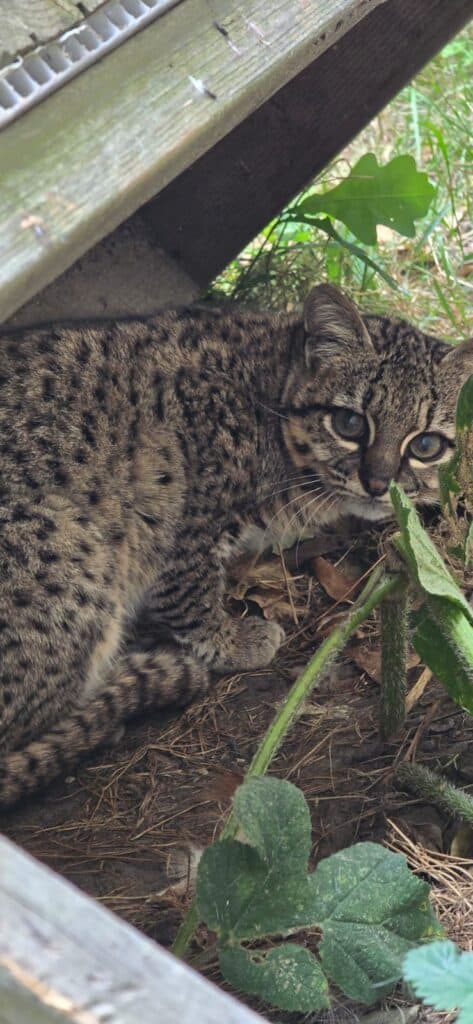
My next step was to Noah’s Ark Zoo Farm. After leaving the sanctuary I applied to all the jobs I could find but didn’t have much success. I attended various interviews but was never selected as people still had more experience than I did. So, I now had to figure out how to get noticed and taken on. My solution was to apply in person I took applications and my CV to collections that had job adverts open and presented myself as a person and not just a piece of paper and this approach worked. After a talk with the head keeper at Noah’s Ark Zoo Farm in person I received an email a week later offering me a seasonal position on their Africa section, now I had my foot in the door. I spent 5 months working at Noah’s Ark Zoo with the hoof stock and broadened my knowledge of the animals I was looking after. But with my contract coming to an end, I had to look for something else.
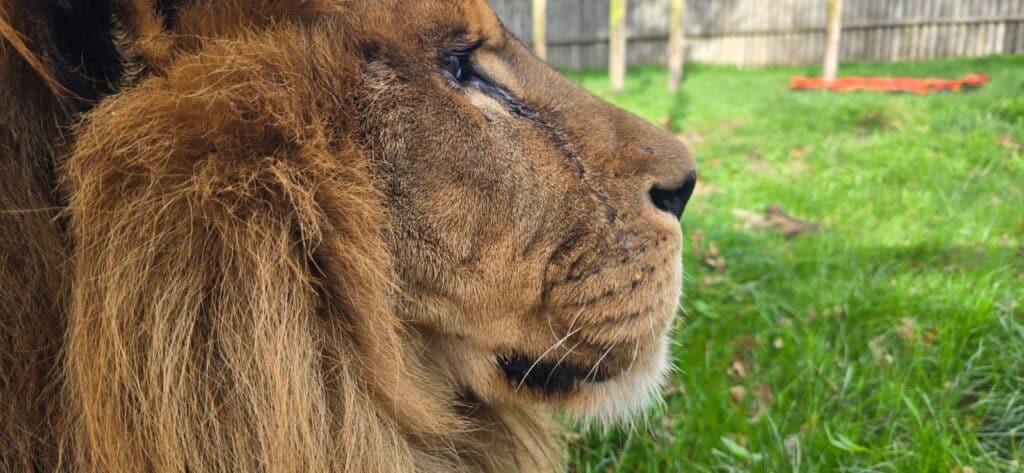
This brought me to Wingham Wildlife Park. With all of my experience and knowledge behind me I applied to a full time keeper role, attended an interview and was offered the job. I had finally made it and was able to start as a full time carnivore keeper. I had achieved the goal that I had been working to since I was 11 years old. I am now the deputy of carnivores after being promoted after 8 months of being a keeper, this progressed my career much quicker than I thought I would be able to and I have been at Wingham Wildlife Park for over 2 years now.
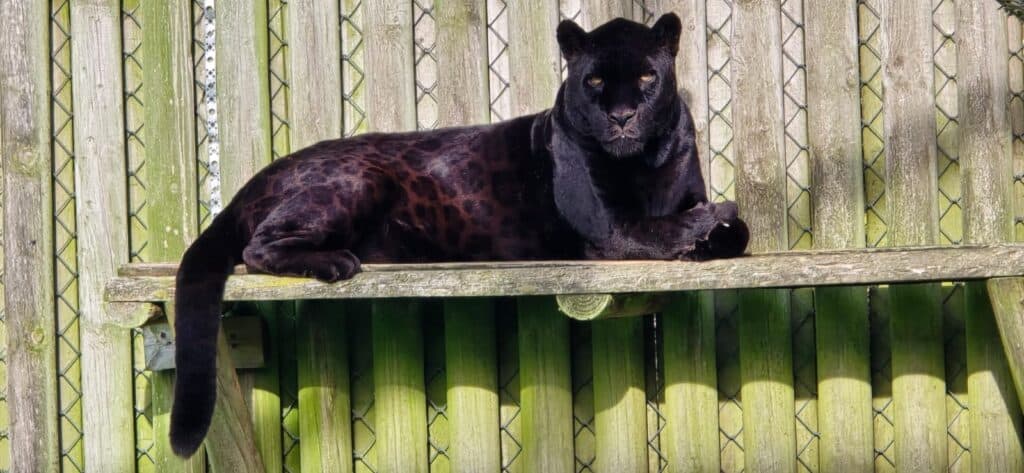
This has been my progression to the position I hold now. It has taken hard work dedication and determination, but it has been worth the effort. So, if you are reading this and struggling to break into the industry all I can say as inspiration is to keep motivated, gain as much experience as you can from wherever you can, get your name known in good ways and never give up. Dreams do come true and you can do anything you set your mind to. I hope this account has helped in the understanding of what it takes to become a zookeeper.
By Clayton, Deputy Head of Carnivores