Fathers’ Day seemed the perfect opportunity to reflect on how many animals have their own ways of raising families and guiding the next generation. During your visits to Wingham Wildlife Park you will be able to see several species offered fascinating reminders that caring for young and protecting family groups is not unique to humans. Here at the park, we have some dads that I’d like to give a shout out to and look at the role they play in their offspring’s upbringing; the best fathers contribute to the safety, wellbeing and healthy development of their young. The worst fathers in the animal kingdom abandon, ignore and even cannibalise their own young.
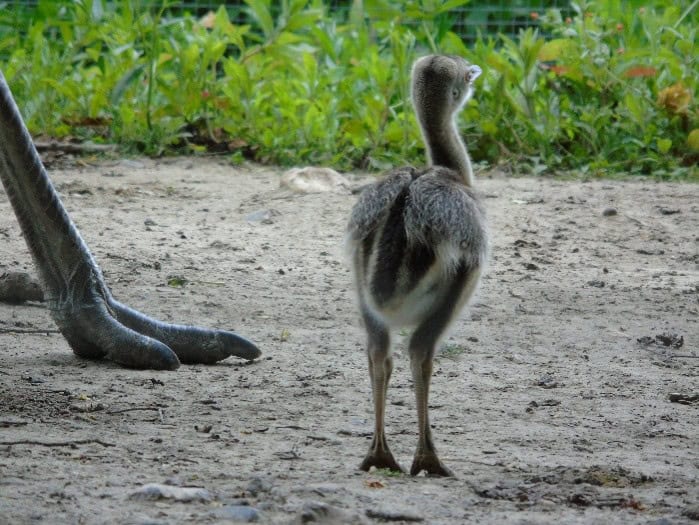
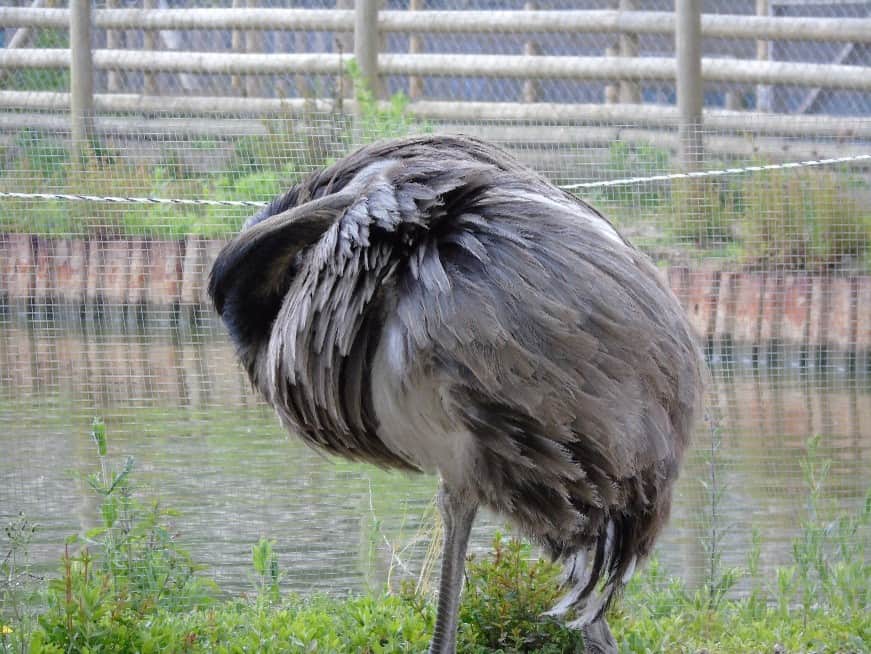
Caesar is dad to our rhea chicks that hatched towards the end of last year. He played a massive role in his chicks’ upbringing. His job includes building the nests, incubating the eggs and taking care of the chicks. After the females lay the eggs in the nest, the males incubate the eggs for 20 to 30 days. Once the eggs hatch, the males look after the chicks for about six months. There are occurrences of males from one nest taking on chicks from another nest that has been abandoned by males that were hunted by humans. These nests can contain chicks of different ages, but the males still care after them until they are independent.
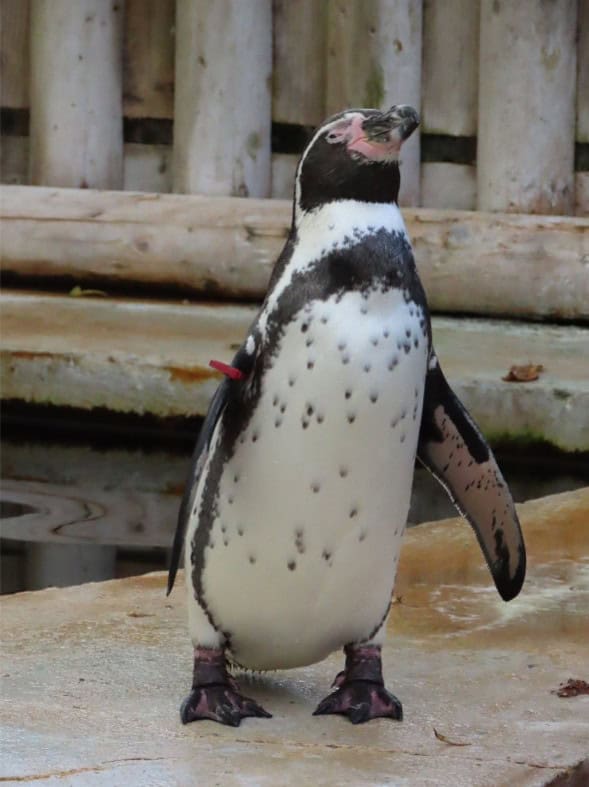
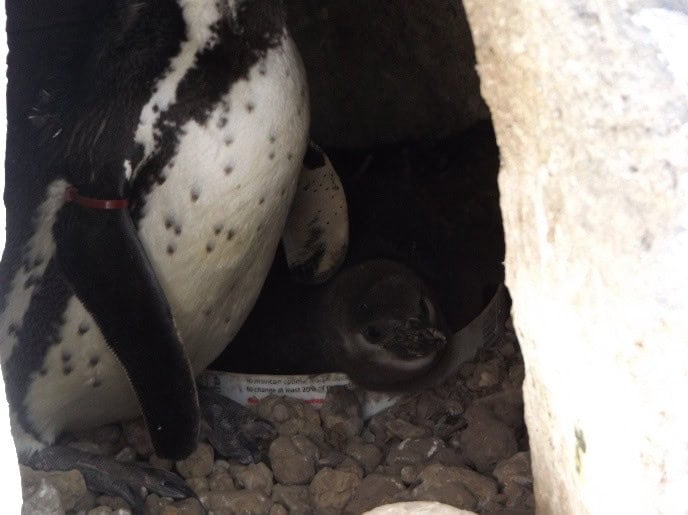
Palamedes is one of our Humbolt penguin males and has played his role of dad very well over the many years we’ve had him here at the park. Male humbolts play an important role for their young chicks because they co-parent, meaning both the dad and mum raise the chicks. They each take turns in incubating the egg, while the other goes off to forage for food. Once the chick has hatched, both parents share the responsibility of getting food for the chick and keeping it warm. They swallow the food and regurgitate it for the chick to eat. After a few months, the chick is left alone during the day while parents hunt for food. At about 70-90 days, the chicks fledge and are considered juveniles who can swim and forage for food on their own.
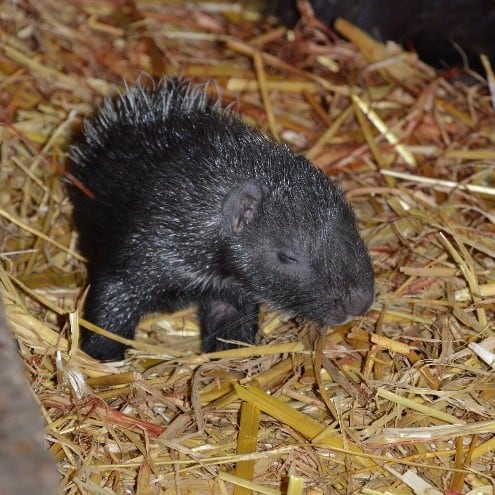
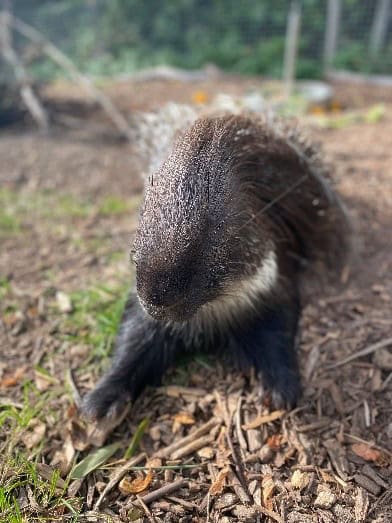
At nearly 19 years old our African crested porcupine, Paul isn’t thinking about expanding his family any time soon. He has fathered several porcupettes over the years at Wingham Wildlife Park. He shares an enclosure with his partner, Paula and their daughter Pauline who is 9 years old. Crested porcupines are monogamous and form small, tight-knit family units. Both the adult male and adult female take turns babysitting and guarding the porcupettes while they grow.
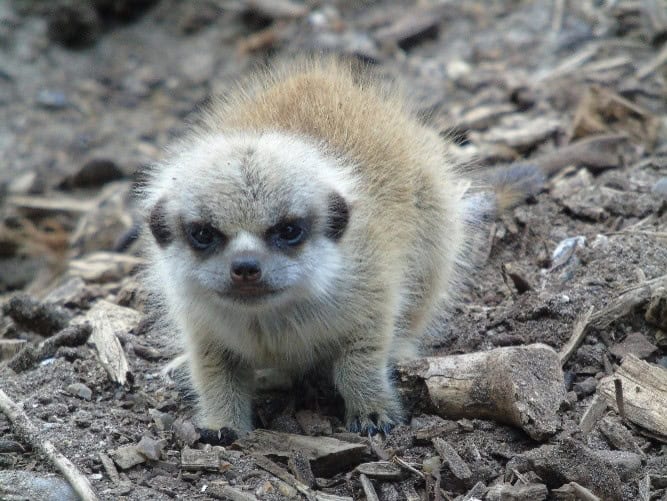
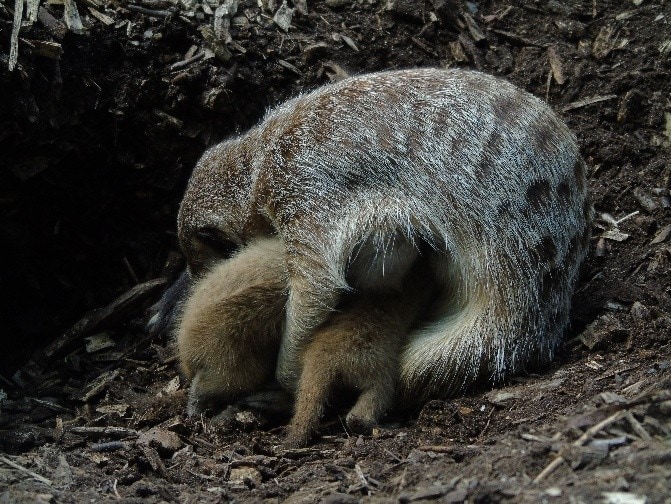
At the park, our dominate male meerkat is called Ken, although a good father, he can thank having many hands helping him make light work of fatherhood. In a meerkat mob, it’s not only the dominate male or female but also other adult males and females that help care for the pups. This cooperative system is known as cooperative breeding, where raising the young is a group effort rather than the sole responsibility of the parents. These jobs include babysitting the young pups while the rest of the group goes out to forage. Standing guard and warning off predators ensuring the vulnerable youngsters are kept safe. Teaching the pups how to find and handle food, which can include difficult prey such as scorpions.
On behalf of all of us here at Wingham Wildlife Park, we want to wish you a Happy Fathers’ Day and hope to welcome you back to the park soon.