I went to Kearnsey Abbey Gardens the other day with my wife. It was a day filled to the brim with baby birds. Cygnets (baby swans), ducklings, blue tit fledglings, coot chicks and even during our prior visit to Faversham in the morning we saw a baby oystercatcher on the brewery roof. As a result of this, as well as the obvious newly married talks of having babies of our own, I was inspired. I thought talking about the two main ways offspring are developed and cared for by the mammalian and avian classes would make the perfect blog for this time of year. I am not talking about live birth, milk and eggs, I am referring to the two terms altricial and precocial.
What do these two words mean? First of all, no, despite the catchy ring to them, they are not the names for the two new legendary Pokemon from the next upcoming generation. Birds and mammals share a lot more than people think when it comes to raising their young and yet both of these two animal groups also have a myriad uniquely different examples of how they do it. The terms altricial and precocial help us at least try to split them into two camps.
Chimpanzees, jaguars and house sparrows. What do these three species have in common? They are all 3 examples of an altricial animal. Despite sounding like a fake name, altricial is one end of the development spectrum where offspring are far more dependent on their parents.
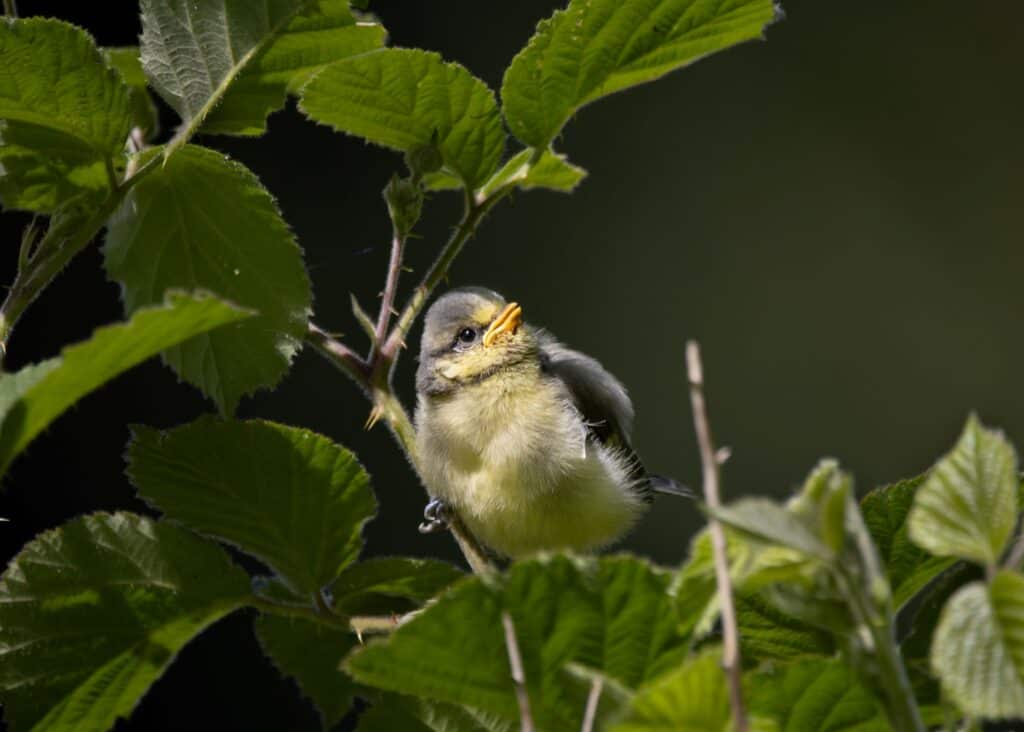
Altricial animals either hatch out of an egg or are born essentially helpless and totally dependent on their mother for survival. Born underdeveloped, most examples are born/hatched naked, like blackbirds for example. It roughly takes around 12 to 14 days for a blackbird chick to develop their full juvenile set of feathers. Many of them are born blind, lion cubs only open their eyes after around 3 to 10 days, with their vision only becoming focused a couple weeks after opening. They have to use smell and touch to locate their mother’s teats for milk. Most are relatively immobile, this is why altricial birds stay in their nest for a lot longer than precocial ones. It is also why a lot of altricial mammal mothers, for example big cats and most rodents, have to move their offspring themselves when needed. This is the reason why most altricial mammals have a “scruff”. This is the loose skin at the back of their neck that is non-sensitive, it allows their mothers to pick them up with their mouths. Most primates have their young cling onto their mother’s fur for an extended period of time. An example of this would be baby tufted capuchins clinging tightly to their mothers chest for the first 3 to 4 weeks, close to the milk supply. As it gets older, the baby would spend less and less time on their mother’s back until it is able to walk along side the rest of the troop.
With altricial offspring being unable to find food of their own or regulate their own body temperature, they require constant feeding and protection. Don’t let this much higher level of maintenance compared to precocial animals fool you. A lot of altricial birds can produce many broods in a single year. For example, the European robin can produce on average up to 3 broods a year, there even recorded instances of breeding pairs managing 4. With both the male and female working together to help reduce the turnaround time between clutches, they are able to become little offspring factories. The time in which altricial offspring stay with their mother varies. Tawny owl chicks stay with their parents for up to 4 to 5 months, tiger cubs range from 18 to 24 months, and my own sister is currently on her 26th year. Not all altricial animals are good mothers. The common cuckoo is a notorious example of this, leaving their offspring to be cared for by reed warblers.
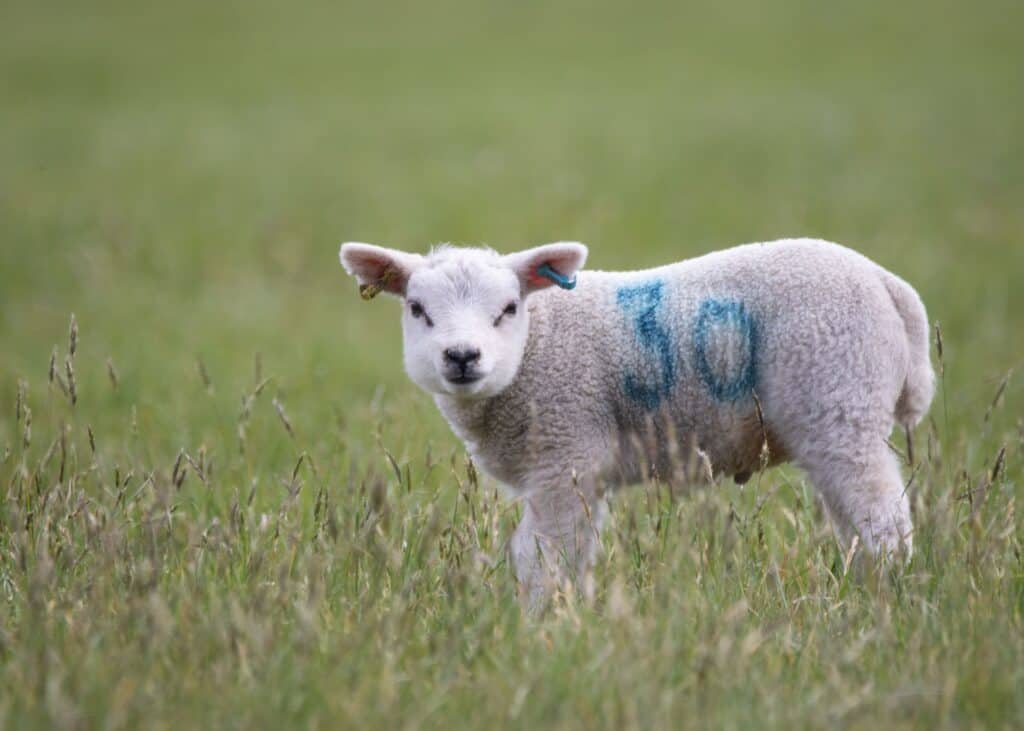
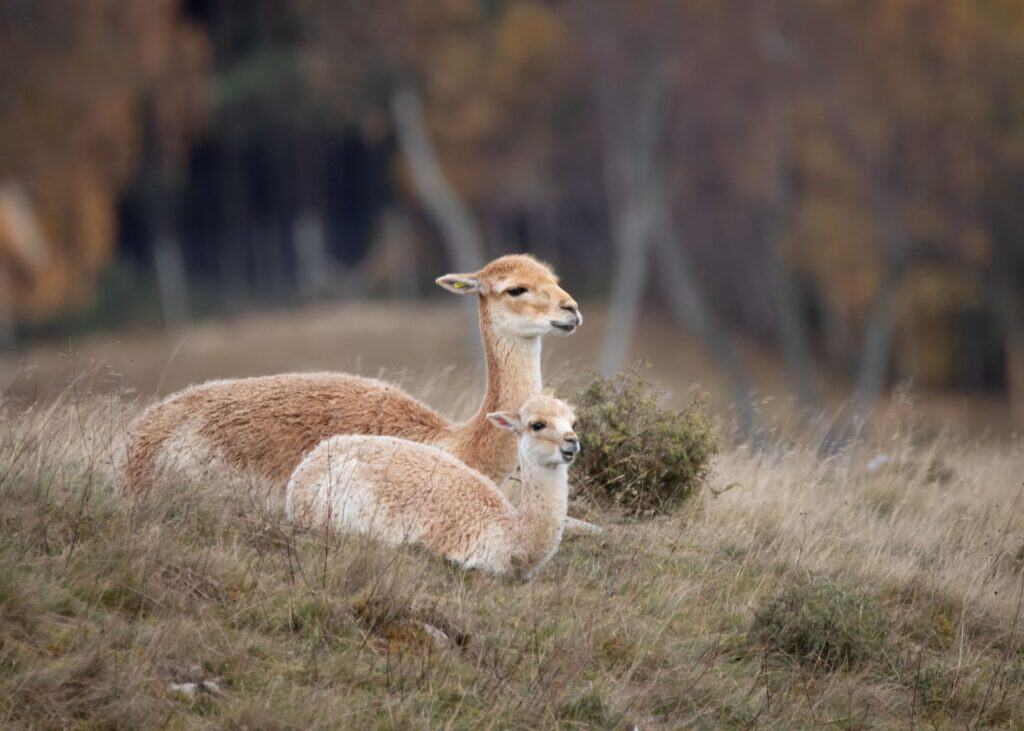
We are going to start overlapping with precocial animals now. What does precocial mean? Precocial offspring are usually born/hatched well if not fully developed, able to walk hours after birth. In contrast to altricial animals, they can potentially survive independently not long after birth. Examples of precocial animals are mallard ducks, cape buffalo and horses. Despite my earlier survival statement, most precocial animals will stay with their mother for protection. You will often see mother ducks being followed by an armada of ducklings. With precocial birds, they do not regurgitate food for their chicks the same way altricial birds do but they will lead/show them where and what to feed on. I have even seen moorhens directly place food into their chick’s mouths when they are still very young. With precocial mammals, they will still need to feed directly from their mother’s milk. They will usually sample other food sources relatively earlier than their altricial counterparts. Kiwi chicks only get the pleasure of their mother’s presence for a couple of days; they are left to fend for themselves. Other than the yolk sac they receive from their egg, they get zero protection and zero feeding from their mother.
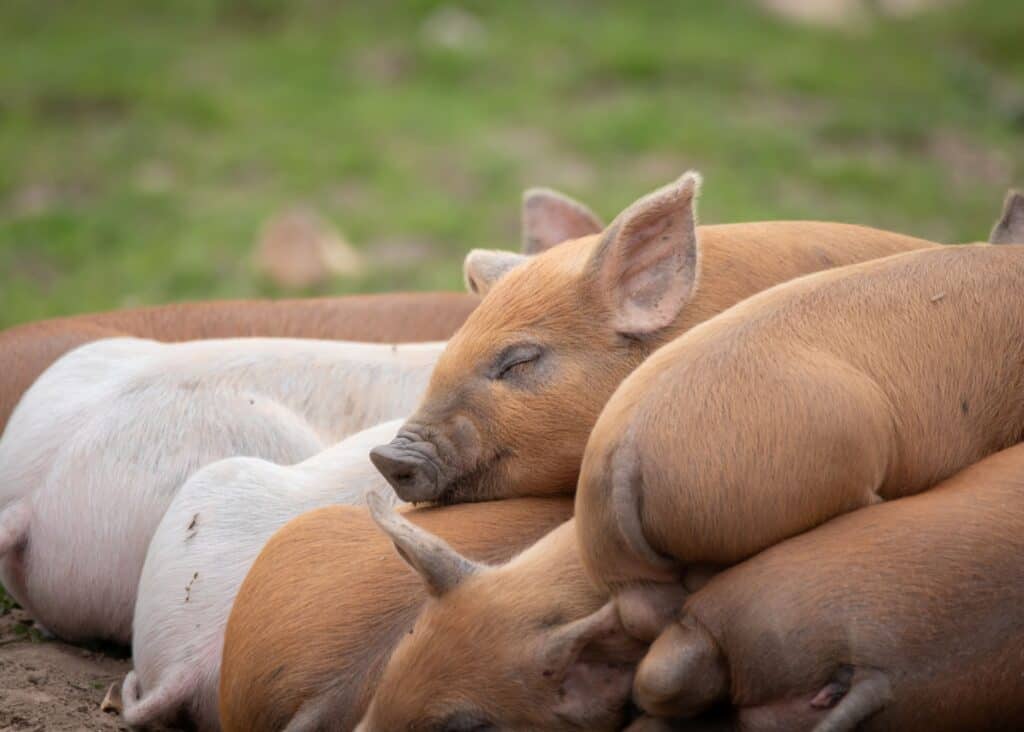
Precocial gestation and egg incubation period times are normally significantly longer than their altricial counterparts, with precocial animals doing most of their developing inside the womb or egg and altricial animals still needing to develop in a nest like environment with their mother’s protection. The altricial house mouse has a gestation period of around 19 to 21 days, the precocial guinea pig has a gestation period of around 72 days. If you google a picture of a newborn mouse and then a newborn guinea pig, the difference in development is night and day.
Precocial animals generally imprint onto their mothers far more quickly than altricial animals. This comes as a result of being able to actually identify their mother much quicker due to being able to see much faster than altricial offspring. A rapid imprinting process is also crucial as precocial offspring will need to identify their mother and follow her for protection. For a lot of precocial animals, the short window for imprinting ranges usually from 12 to 32 hours. Some imprint even quicker than this, birds are better known for imprinting faster than mammals. This imprinting process for precocial animals is often irreversible.
I could continue for ages, but I think it is best to stop here. I don’t want it to be quicker for a guinea pig to gestate than it is to read one of my blogs! When you dive deep into this topic, you do start to realise how much of a spectrum offspring development really is. Thanks for reading this blog from Wingham Wildlife Park.
By Ryan, Deputy Head of Birds