Earlier this week we celebrated World Wetlands Day. Marshes, swamps, floodplains, mangroves, shallow lakes and of course, we can’t forget bogs, are just some examples of wetland habitats. These places might not have the dramatic appeal of mountains or rainforests, but they are among the most productive ecosystems on Earth. They filter water, store carbon, reduce floods and support an astonishing diversity of animals.
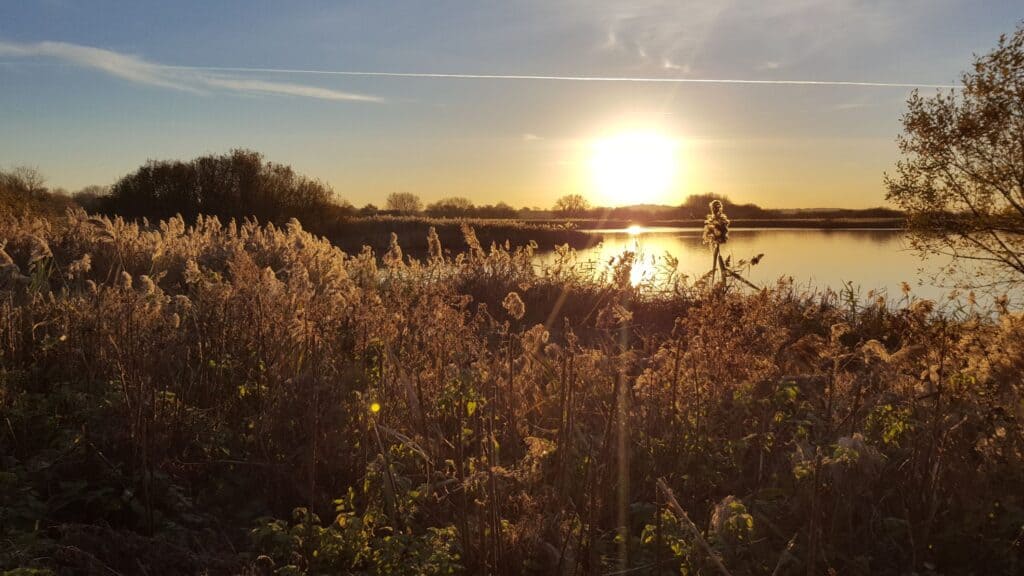
Here at Wingham Wildlife Park our keepers work with many wetland species from around the world. From crocodiles and jaguars to tapirs and capybaras, many of our most popular animals are adapted to wetland life. To understand why wetlands matter, we only need to watch the birds that depend on them. Wetlands are important for many aspects of bird’s lives, offering the perfect place for feeding, nesting and are important stopover points for migrating birds to rest and refuel. Different species use wetlands differently and together they show how rich and interconnected these habitats are.
From flamingos to scarlet ibises, wetland birds are great indicators of ecological balance. Their presence tells a story about water, food and survival and I’d love to celebrate World Wetlands Day by taking a look at some of our wetland bird species that we have here at the park which are often overlooked.
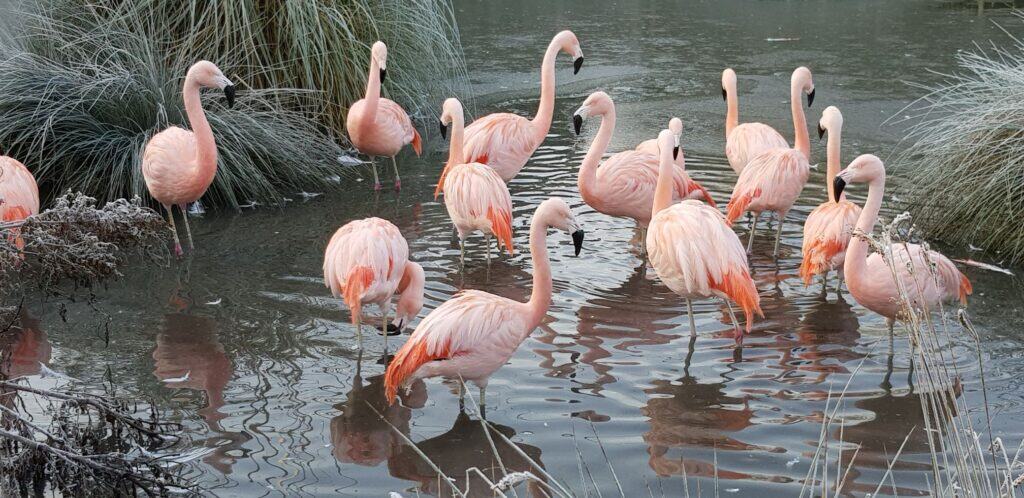
Flamingos are perhaps the most iconic wetland residents. Standing in shallow alkaline lakes, they filter microscopic algae and crustaceans through specialized bills. Their famous pink colour comes directly from their diet, making them walking proof that wetland health and bird health are inseparable. When wetlands dry up or become polluted, flamingo populations decline quickly, serving as early warning signs of environmental stress.
White storks bring a different kind of wetland story. Often seen stalking through flooded meadows and marshes, they rely on wetlands for hunting frogs, insects and small fish. Storks thrive in landscapes where wetlands coexist with traditional agriculture, reminding us that human land use and wetland conservation don’t have to be enemies. When wetlands disappear, storks are forced to travel farther for food, burning energy meant for breeding and migration.
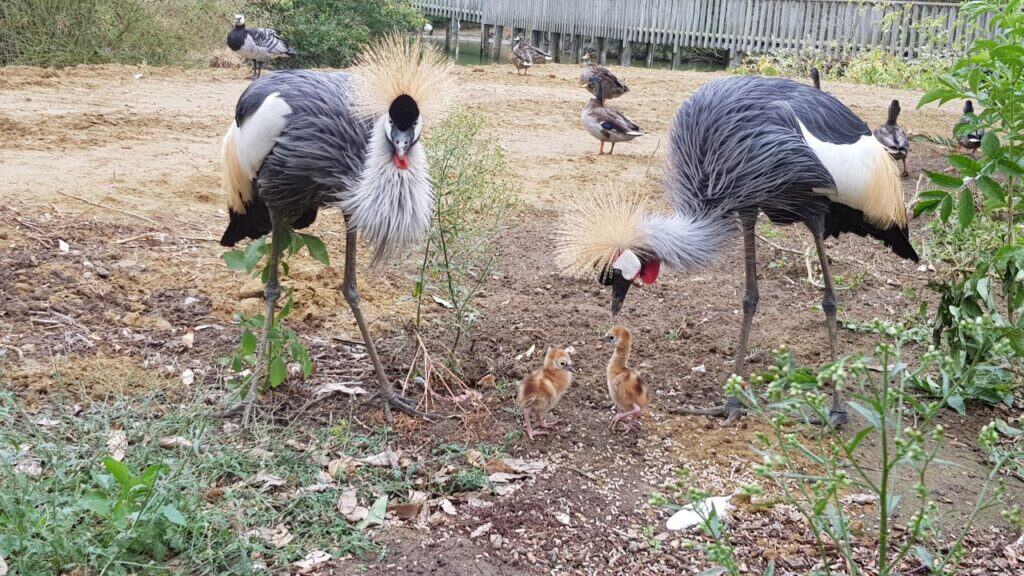
The grey crowned-crane is deeply tied to African marshes and seasonal floodplains. They nest in tall wetland vegetation, depending on stable water levels for successful breeding. When wetlands are drained, their nesting sites vanish, and with them, a bird that holds cultural and national significance in several of their native countries
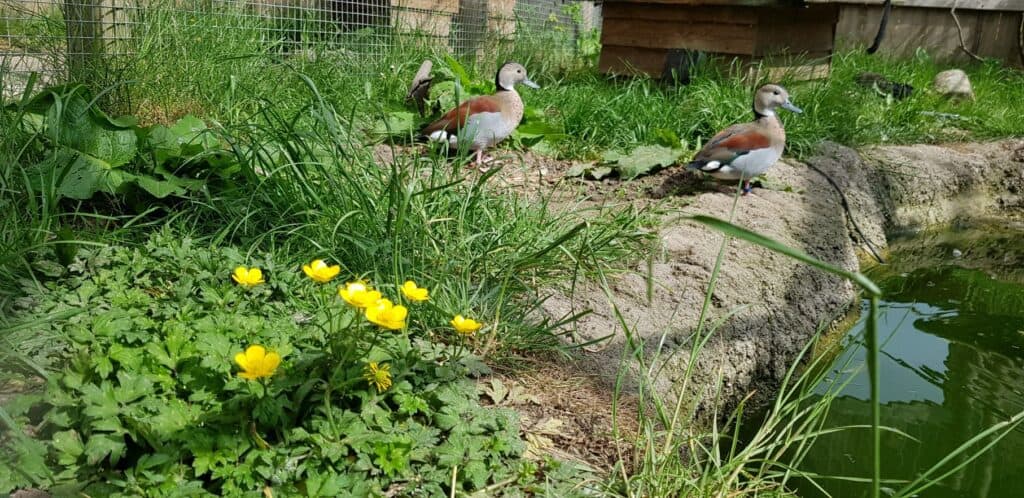
Across the Atlantic, the ringed teal tells a quieter but equally important story. This small duck favours freshwater marshes and lagoons with dense vegetation. Unlike many waterfowl, it is relatively localized, meaning it cannot simply “move on” when wetlands are lost. Protecting wetlands in South America is therefore essential not just for biodiversity in general, but for the survival of species that with limited ranges.
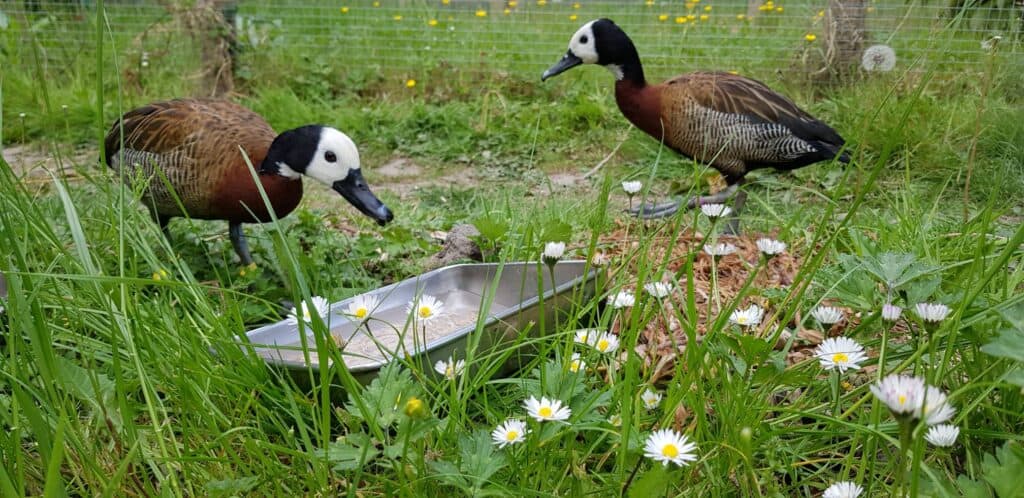
White-faced whistling ducks add sound to the wetland landscapes of the tropical regions of sub-Saharan Africa, the Caribbean and South America . Their high-pitched calls echo over floodplains and shallow lakes as they feed on seeds and aquatic plants. Highly social, they gather in large flocks, turning wetlands into hubs of constant movement and communication. When water levels fluctuate naturally, these ducks adapt easily, but artificial drainage and damming disrupt the seasonal changes they depend on.
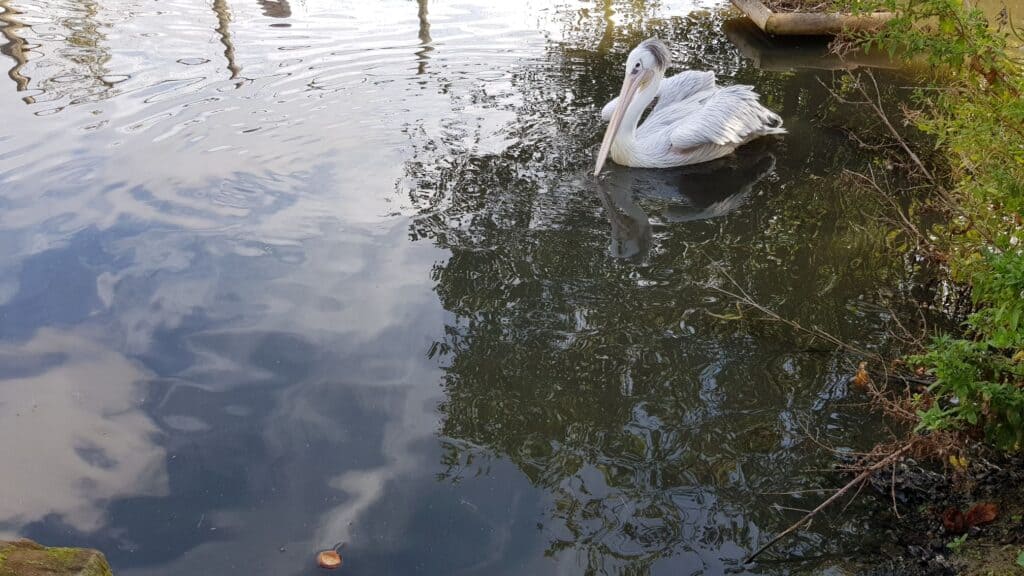
Wetlands are places of plenty, and some birds are built to take full advantage of that abundance. The pink-backed pelican is a master of communal fishing, working in groups to herd fish into shallow water before scooping them up. This behaviour only works in healthy wetlands where fish populations are strong. Pelicans disappearing from an area often signal that overfishing or pollution has already done serious damage.
Why World Wetlands Day Matters
Together, birds show us that wetlands are not empty, wasted land. They are engines of life, supporting species that are beautiful, functional and deeply connected to water. Wetlands also support people by providing fisheries, clean water, climate regulation and protection from floods and storms. Yet wetlands are disappearing faster than any other ecosystem, largely due to drainage, pollution and unchecked development.
Exploring Wetlands in Kent, UK: Where to go and the Birds you Might See
We are blessed in Kent with a variety of wetland habitats, from coastal marshes and reedbeds to tidal estuaries. These spaces are perfect for birdwatching, whether you’re a local resident or visiting from elsewhere in the UK. Here are some of my top wetlands in Kent where I love to connect with nature and often spot fascinating birdlife:
Oare Marshes
One of the most celebrated wetland reserves in southeast England, Oare Marshes combines grazing marsh, reedbeds, saltmarsh and open water. It’s internationally important for migratory, overwintering and breeding birds.
Here you can expect to see:
- Waders and shorebirds like avocets, redshank and curlew sandpiper.
- Ducks and grebes such as pochard and little grebe.
- Raptors like marsh harrier and peregrine falcon.
- Seasonal migrants including whimbrel and black-tailed godwit.
While you won’t see tropical birds like flamingos or scarlet ibis here, watching these native species thriving in their wetland home gives a vivid sense of why these habitats matter
Stodmarsh Nature Reserve
Stodmarsh boasts extensive reedbeds and open water channels, prime territory for a range of wetland birds, and one of my favourite reserves in Kent.
Birds you might encounter include:
- Bittern (if you’re very lucky) a secretive heron relative whose booming call is a true wetland soundscape highlight. Visit at dawn in the spring for a chance to hear them!
- Marsh harrier and other raptors gliding across the reeds.
- I almost always see the blue flash of a kingfisher here if you put some time in the hides.
- Reed-associated species such as bearded tit and reed bunting.
Stodmarsh is perfect if you’re interested in seeing a rich diversity of native wetland birds, and it helps illustrate the incredible productivity of UK wetlands.
Dungeness National Nature Reserve
A vast and unique wetland landscape on the Kent coast, Dungeness features shingle beaches, saline lagoons and intertidal mudflats. It’s a magnet for both resident and migrating birds.
Here you can look out for:
- Waders and waterfowl like oystercatchers, curlews and various duck species.
- Terns and gulls feeding over shallow waters.
- Seasonal visitors drawn to the rich food resources on mudflats.
This reserve also shows how coastal wetland systems support a different but equally important bird community compared to inland marshes.
Sandwich and Pegwell Bay & Gazen Salts Nature Reserve
The expansive mudflats and saltmarshes around Sandwich and Pegwell Bay attract thousands of birds, especially in Winter. Waders and wildfowl feed and roost here as the tide comes in and out.
Species commonly seen include:
- Brent geese.
- Dunlin and other small waders.
- Avocets and oystercatchers.
- Marsh harriers and peregrines hunting overhead.
These sites are perfect for binoculars and long-lens photography and you’ll often see large flocks of birds working the shoreline together. I take most of my videos and photography from the hides at Sandwich Bay Bird Observatory as this is one of the best places this side of Kent to get up close to birds!
Seasalter Levels & Minster Marshes
Seasalter Levels and Minster Marshes might not be as famous, but they still offer wetlands rich in birdlife. In these quieter reserves you have a chance to spot ducks, geese, herons and smaller wetland migrants, and sometimes even rarer visitors during Spring and Autumn migrations. These spots remind us that every wet corner of wetland plays a role in supporting birds
While you’re not likely to see species like white-faced whistling ducks or pink-backed pelicans in Kent’s wild wetlands, the UK’s wetland birds offer their own ecological stories. Visiting sites like these will introduce you to native waders, wildfowl, raptors and reedbed specialists who are every bit as captivating as their more tropical relatives.