
For this weeks blog, I thought I would delve into something that isn’t often talked about but in my opinion is really interesting! Zoopharmacognosy is a behaviour where animals self-medicate by selecting and ingesting or topically applying plants, soils and insects with medicinal properties to prevent or reduce the harmful effects of pathogens, toxins and even other animals.
A more well known example of this is when dogs eat grass to induce vomiting. Animals ingest or apply non-foods such as clay, charcoal and even toxic plants and invertebrates to prevent parasitic infestation or poisoning. Below are more cool examples of zoopharmacognosy in action!!!
Primates
Chimpanzees swallow bitter leaves to reduce parasite infections. These bitter leaves are not consumed regularly by chimpanzees but often in small amounts by individuals that are showing symptoms of illness. Dr Jane Goodall observed chimpanzees eating particular bushes that encouraged vomiting. A study carried out in 2022, reported that chimpanzees crushed and applied insects to their wounds and the wounds of others in their troop.
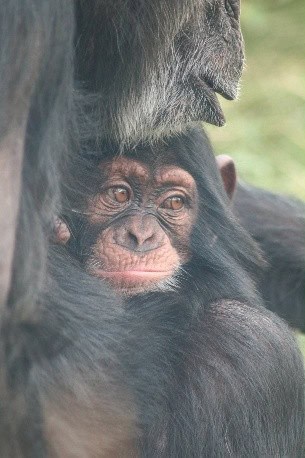
Rakus, a male Sumatran orangutan was observed by primatologists to have intentionally chewed up leaves of a vine which had antibacterial, anti-inflammatory, anti-fungal, antioxidant, pain-relief and anticarcinogenic elements to it and applied it to an open wound on his face. It was reported that 5 days later, the facial wound was closed, while within weeks it had healed, only leaving a small scar!
A range of primates have been observed to rub millipedes onto their fur and skin. These millipedes contain chemicals that are known to be potently repellent to insects.
Other Mammals
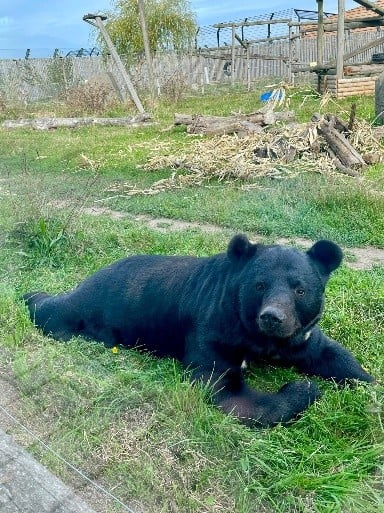
Carex leaves are consumed by bears in the early springtime to ensure the complete expulsion of parasites that have built up during the bears’ hibernation time.
A team of scientists followed Indo-Pacific bottlenose dolphins and observed them swimming near and rubbing against specific types of corals and sponges. After extensive research on these corals and sponges they discovered antibacterial, antioxidative and hormonal activities were present, suggesting that they might be used by the dolphins to treat skin infections.
Birds
More than 200 species of song bird carry out a behaviour known as anting. This behaviour involves the bird catching ants in their beaks and vigorously wiping along the spine of each feather down to the base. Birds more often than not will use ants that spray formic acid which is known to kill feather lice.
Some birds select nesting material that contains lots of anti-microbial agents that protect themselves and their young from harmful infestations or infections. This is commonly seen in European starlings.
By Holly, Head of Primates.


No Comments
Be the first to start a conversation