Our secret is finally out; we will be welcoming six Southern white rhinos to Wingham Wildlife Park. For me, this is so much more than just exciting news, it’s a dream coming true. For as long as I can remember, I’ve dreamed of one day working with rhinos. These incredible animals have always held a special place in my heart and now I have the opportunity to work alongside them. I honestly cannot wait for them to arrive and begin this incredible new chapter. Sometimes, dreams really do come true! Wingham will provide these six rhinos with a new home, where they can live under the care of our dedicated mammal team who will meet all their husbandry needs. Once construction is complete in the near future and the rhinos have arrived, I will of course be sharing lots more updates about them. I will apologise in advance for the rhino spam that will be coming your way!
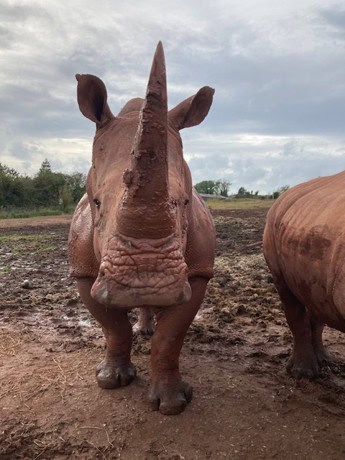
Southern white rhino.
But while we celebrate their arrival and look forward to getting to know these incredible individuals, it’s important to remember the reality facing wild rhinos is very different. Sadly, rhinos face several serious threats in their natural habitats and their future is far from secure. Poaching remains one of the biggest threats to rhinos worldwide, they are illegally killed for their horns, driven by demand in illegal wildlife markets. Despite years of conservation work and increased protection, poaching continues to put enormous pressure on wild populations.
Habitat loss is another major challenge. As human populations grow and land is increasingly used for farming, roads and development, rhinos can lose the space and resources they need to survive. Habitat fragmentation can also isolate populations, making it harder for them to find mates and maintain healthy genetic diversity. When numbers fall too low, every individual becomes even more important to the survival of the species. Losing even a few animals can have a devastating impact, particularly on populations already struggling to recover.
As I write this blog, there are five surviving species of rhino in the world: white, black, greater one horned (AKA Indian), Sumatran and Javan rhino. Although conservation efforts have helped some populations recover, the situation varies greatly between species and locations. Some populations are growing, while others remain critically endangered.
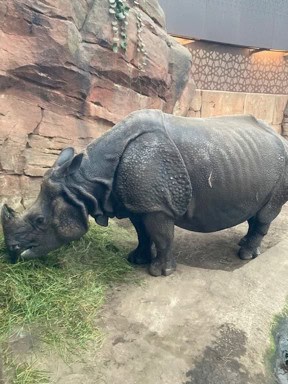
Greater one horned rhino.
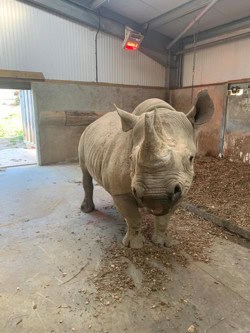
Black rhino.
For example, the Northern white rhino is functionally extinct, with only two females remaining. In 2018, the last male called Sudan passed away aged 45. He was the last Northern white rhino alive and is survived by only two females who are both past breeding age. In 2026, we now live with the fact that despite many warnings, mankind has contributed towards another species extinction on our watch.
The Javan and Sumatran rhinos also face an extremely uncertain future, with very small wild populations. Both species have fewer than 50 individuals left in the wild. These figures are a heartbreaking reminder of just how much is at stake. Rhinos have roamed our planet for years, yet human activity has brought some populations dangerously close to disappearing forever.
Conservation is not just about protecting the animals we have today. It is about ensuring that future generations can experience the wonder of seeing rhinos and knowing that these magnificent creatures still have a place in the wild. As excited as I am to welcome our crash of rhinos to Wingham, their arrival also reminds me why conservation is so important. Zoos and conservation organisations can play an important role through education, animal care, research and support for conservation efforts in the wild.
I feel incredibly lucky that I’ll have the opportunity to work with these amazing animals and help share their story with our visitors. I hope that, by getting to know them, people will develop the same appreciation and passion for rhinos that I have. For now, I’m counting down the days until they arrive. A huge milestone for Wingham and a dream I’ve held for years finally becoming reality.
By Matt, Head Keeper



No Comments
Be the first to start a conversation